

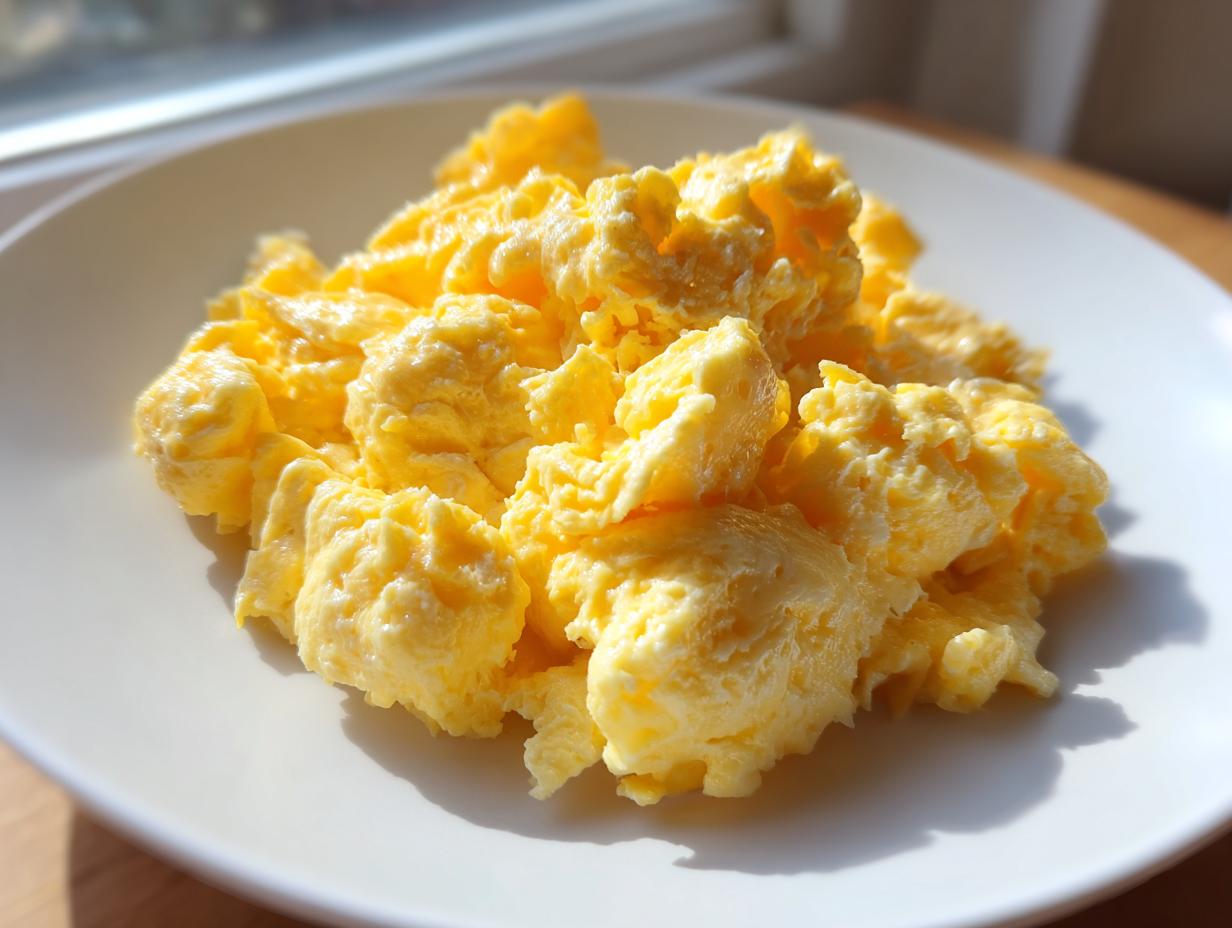
Listen, I know the breakfast game can sometimes feel like a race against the clock, but hear me out on this one: getting truly exceptional scrambled eggs is the secret weapon every home cook needs. For years, I struggled! My eggs were either stiff little rubber pads or dry clumps that refused to look anything like what they serve at those fancy brunch spots. But I cracked the code, okay? I finally figured out the absolute best way to cook them.
I am obsessed with texture, and if you are too, you are going to love this technique. We are tossing out the high-heat, scramble-it-fast approach. This method is all about achieving those soft, pillowy, unbelievably creamy curds. Trust me when I say that once you try these low-and-slow, silky scrambled eggs, you will never go back to the old way again. It takes just a few extra minutes, but the payoff is huge!
Why This Fluffy Scrambled Eggs Recipe Works
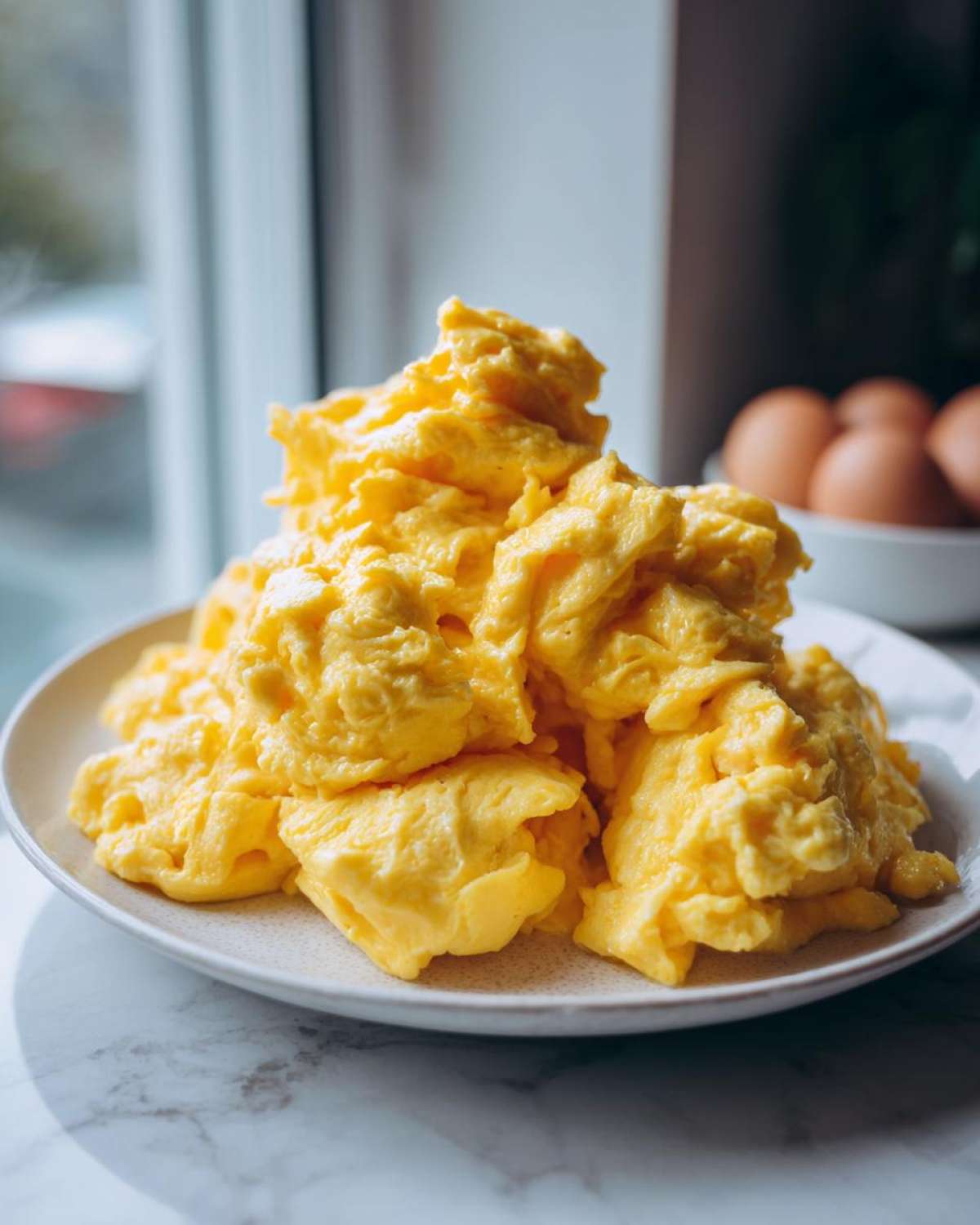
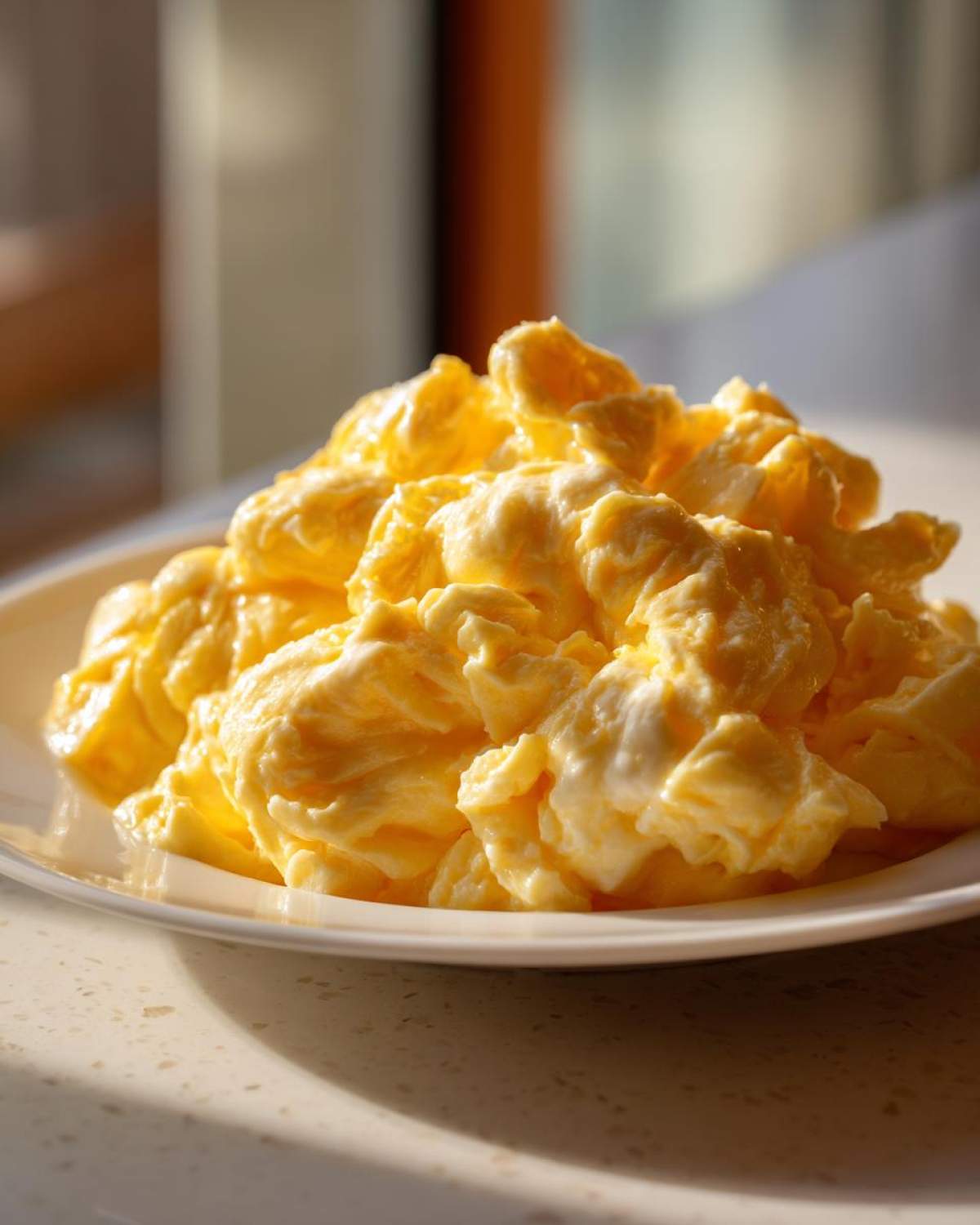
The reason this fluffy scrambled eggs recipe consistently delivers that Instagram-worthy look isn’t magic; it’s just simple science applied with patience. If you want perfect texture eggs—the kind that feel decadent and melt in your mouth—you have to treat the proteins gently. If you blast them with heat, the proteins tighten up too fast, seizing all the moisture and giving you that disappointing rubbery result. That’s why I swear by this process; you can read a little more about my food philosophy over on my About Me page if you’re curious!
That’s why our method focuses on slow movement and low temperatures to coax the eggs into forming those gorgeous, delicate layers. This ensures we end up with genuinely silky scrambled eggs, not just scrambled eggs that *look* good for thirty seconds before hardening up!
The Secret to Velvety Scrambled Eggs: Low and Slow Cooking
Forget turning the burner up hoping to speed things along! The core technique here is embracing low and slow egg cooking. We are talking the absolute lowest heat setting that still manages to warm the pan evenly. This gentle approach allows bubbles to form slowly inside the egg mixture, creating those pillowy pockets we crave.
We only fold them every 20 or 30 seconds, which gives them just enough time to set slightly before being moved again—this is how you build those thick, creamy curds instead of thin, uniform layers. If you’ve been struggling, lower your heat, friend, and watch the transformation happen!
Ingredients for Ultimate Creamy Scrambled Eggs
You only need a few simple things to make the absolute best scrambled eggs, but the quality really counts here. We’re sticking to three large eggs, one full tablespoon of unsalted butter—don’t even think about skipping the unsalted kind!—a mere splash of whole milk or half-and-half, and salt and pepper to taste.
That little bit of milk or cream is where we introduce the necessary fat content that keeps everything wonderfully rich. I know some recipes call for water, but we are aiming for luxurious, not watery. We’ll get into the specifics of what makes these few items so powerful next.
Ingredient Notes and Substitutions for Scrambled Eggs
If you want those extra rich, almost custardy results, go ahead and swap that whole milk for heavy cream; it really amps up the richness in our creamy scrambled eggs technique. But don’t worry if you are watching your fat intake—you can still get great results!
If you want an easy way to sneak in some extra substance and make these protein packed eggs even heartier for a big brunch, try whisking in about two tablespoons of cottage cheese right along with your milk before they hit the pan. It disappears into those fluffy curds but adds a fantastic density. Seriously, try this trick; it’s like having a secret ingredient up your sleeve!
How to Prepare Fluffy Scrambled Eggs: Step-by-Step Instructions
Alright, gather your tools! This isn’t complicated, but precision in steps one and two is what separates the beginners from the pros in the world of scrambled eggs. First thing’s first—the whisking! Crack your eggs into a bowl, grab a fork or a whisk, and really go to town. You need to whisk vigorously until everything is one homogenous color—no streaks of white remaining—and you see a bit of frothiness on top. This incorporation of air is the first major step toward getting those wonderfully fluffy results.
Now for the pan. Don’t even think about putting the heat on high! We need a reliable non-stick skillet, and you are setting the heat to low. Melt your teaspoon of butter; wait until it foams up nicely, but never, ever let it get brown. Once your butter is ready, pour in that frothy egg mixture. Let those beauties sit there totally undisturbed for about 30 seconds—just long enough for the very edges to look slightly cloudy.
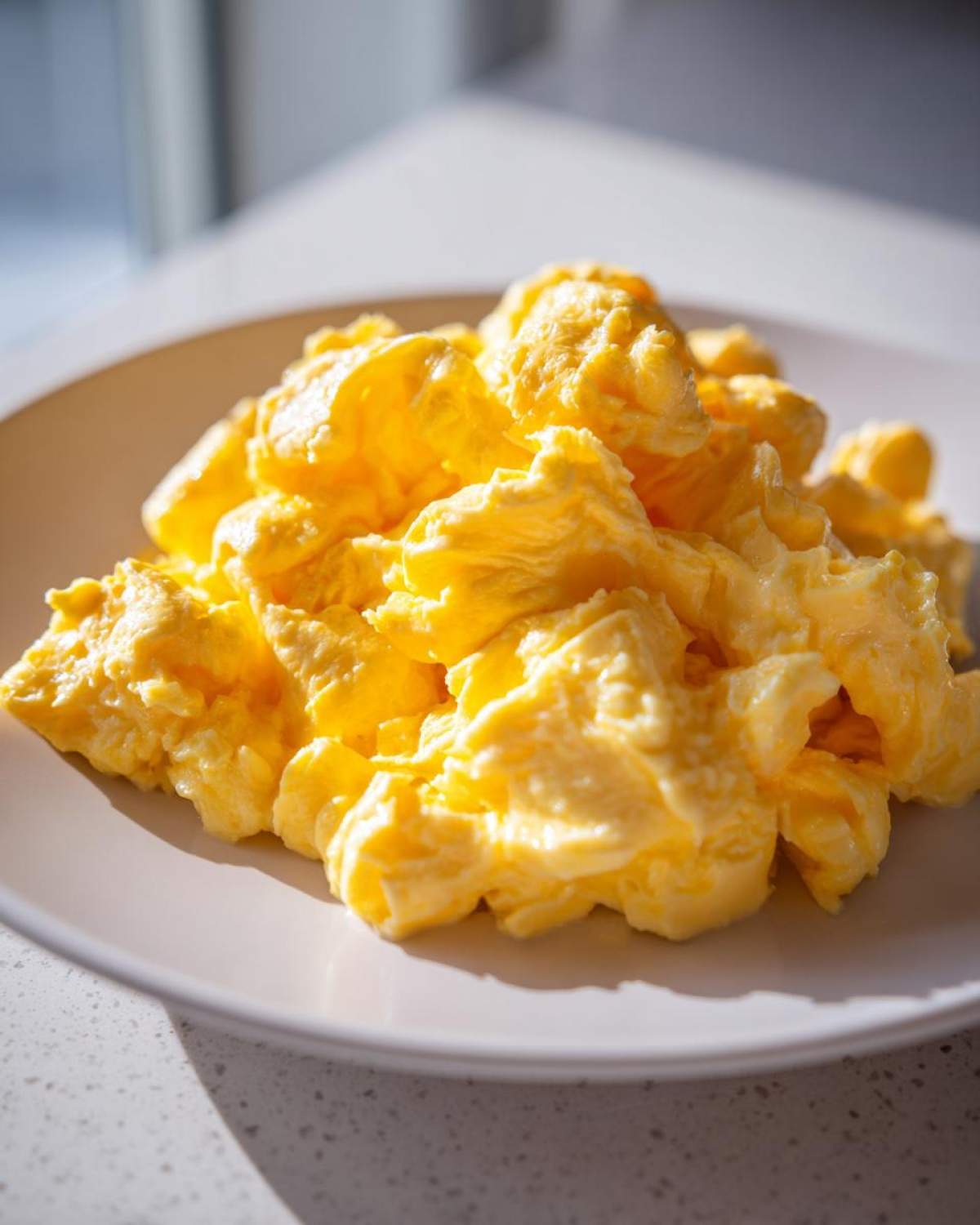
Next comes the patient part—the folding motion that defines soft, creamy scrambled eggs technique. Take a good, flexible rubber spatula, and gently push the cooked egg from the outside edge toward the middle, tilting your pan so the raw egg flows right underneath where you just moved it. You are folding, not aggressively stirring or chopping. Keep that heat low and maintain this slow, rhythmic pushing and folding across the whole pan.
You have to watch these like a hawk during this process! We want them to look glossy and just slightly wet when they seem done. This is my biggest secret: cook them until they are maybe 90% done. Seriously, they should still look a little slick. Remove the entire pan from the heat source immediately! That residual heat trapped in the pan is going to finish the job perfectly off the burner.
Achieving Restaurant Style Scrambled Eggs Texture
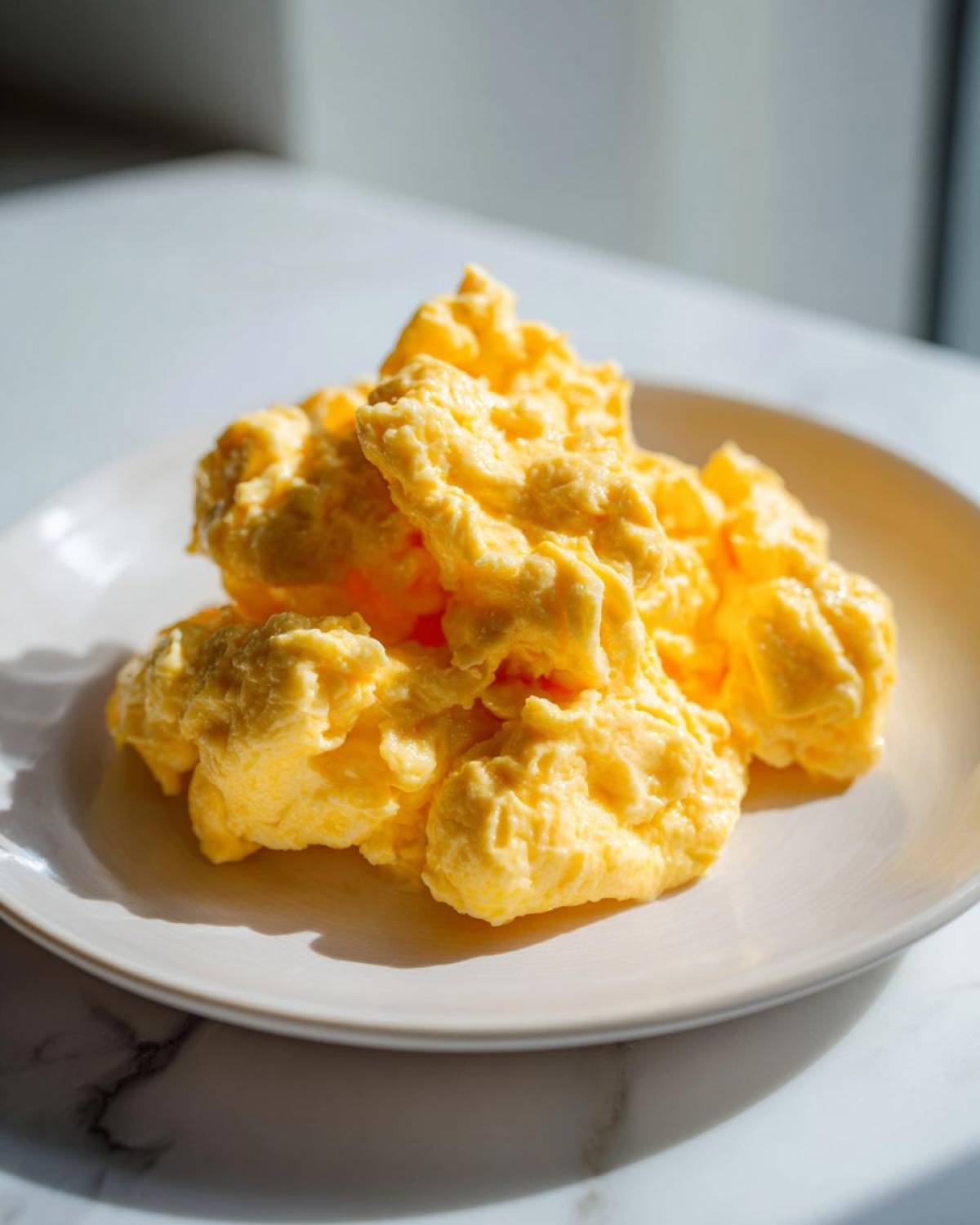
Don’t put them on the plate yet! While the pan is sitting off the heat, keep stirring gently for about 30 more seconds. This transition period is pure gold. It ensures the residual heat gently cooks away that last bit of wet sheen without letting the proteins seize up. This final off-heat stir is what guarantees you get professional-level, velvety scrambled eggs every single time. Once they look perfectly set but still creamy, slide them onto your warm plate instantly so they don’t overcook!
If you want to see what else I’m whipping up for those quick morning carb-loads, check out my general breakfast page for more of my easy breakfast meals ideas!
Tips for Success Making Perfect Scrambled Eggs
Okay, you’ve got the basic method down—low heat, gentle push—but I have a few extra secrets that really nail that ‘ how to make fluffy eggs at home‘ situation. First and most importantly: pan choice matters a ton! You absolutely need a good non-stick pan for this; trying to coax creamy eggs out of stainless steel is just asking for trouble and sticking frustration. Plus, a good non-stick means less butter needed, too!
My next crucial tip involves salt. Don’t add your salt at the very beginning when you’re whisking everything together. I know, I know, it feels wrong! But salt can start to break down the proteins instantly. Instead, make sure your eggs are *pretty much* done—like seconds away from plating—and then sprinkle in your salt right before that final stir off the heat. Also, make sure your serving dish is warm; nothing ruins a batch of creamy scrambled eggs faster than putting them onto a cold plate!
If any of this sounds confusing, please don’t hesitate to reach out; you can always find my contact info easily if you need some one-on-one cooking advice!
Scrambled Eggs Variations and Flavor Boosts
Once you nail the base texture for your creamy scrambled eggs, you’ll want to start playing around, right? That’s where the fun begins! This simple technique is robust enough to handle some serious additions without descending into dried-out chaos. We’re talking about taking basic, quick comfort food breakfast and bumping it up to gourmet brunch ideas status!
For me, the best way to customize is always at the very end. If you start adding things too early, they change the temperature dynamics, and you risk overcooking those beautiful, delicate curds. I love adding finely chopped fresh chives or parsley right before I serve them up; the color is gorgeous against the pale yellow eggs.
Making Cheesy Scrambled Eggs Favorite Additions
If smooth, cheesy scrambled eggs favorite additions are what you crave, get your cheese ready! You want a soft, meltable cheese that won’t just burn on contact. Gruyère is my personal top pick—it gets gloriously nutty and stringy. Cheddar, especially a sharp white cheddar, is also divine. But here is the rule: only add the cheese during the last 30 seconds of cooking, *after* you’ve already removed the pan from the heat for that final stir.
Wait until those eggs are glossy and still look slightly underdone. Toss in about a quarter cup of your shredded favorite, and fold gently until it’s just melted and incorporated. If you add it earlier, the temperature difference between the cheese and the heat will cook the eggs too fast. If you need more savory ideas, check out my recipe for savory sausage muffins for another great morning protein fix!
Serving Suggestions for Your Scrambled Eggs
So, you’ve got these perfect, velvety scrambled eggs cooling slightly in the pan—what now? We need something to scoop up all that creamy goodness! Since these are so quick, they are perfect for those busy mornings when you still want something that feels like a treat, falling squarely into the easy breakfast meals category. Honestly, they’re lovely just on their own, but they really shine next to something with a bit of crunch.
I lean hard into simple pairings. A thick slice of sourdough toast, crisp and fresh, is the mandatory vehicle for dipping. Alternatively, piling these beautiful eggs on top of a slice of creamy avocado toast takes this from a 10-minute meal to a proper gourmet brunch idea instantly. If you want to see how I handle the toast side of things, check out my recipe for avocado toast with egg; it’s a classic for a reason!
Storage and Reheating Creamy Scrambled Eggs
Okay, this is the hard truth about truly creamy scrambled eggs: they are absolutely best eaten the exact second they come off the heat. That luscious, velvety texture we worked so hard for tends to stiffen up pretty quickly once they hit the fridge.
If you must store them, aim for no more than three days in an airtight container. When you’re ready to reheat them, forget the microwave unless you enjoy tough eggs! You need to put them back into a non-stick pan over very, very low heat. Add a tiny splash of milk or even a dab of butter before you start stirring. These additions help loosen up those proteins again. Stir constantly, slowly, until they are heated through but pull them immediately when they start looking glossy again!
Frequently Asked Questions About Perfect Scrambled Eggs
I get so many messages asking for clarification on texture, which is totally understandable because mastering the perfect texture eggs is tricky! Here are a few things I hear most often about making these simple yet phenomenal scrambled eggs.
Can I make this recipe ahead of time for quick egg recipes?
This is a tough one. While you *can* technically store leftovers, I strongly advise against making these ahead if you are aiming for that wonderfully creamy texture. These are designed to be an immediate, quick egg recipes star. Leftover eggs firm up as they cool, and trying to revive that silky fluffiness later often results in something closer to a firm omelet texture. They are so fast to whip up that making them fresh is always the best move!
What is the best way to cook eggs if I prefer them firmer?
If you’re one of those people who loves a firmer curd—maybe you’re packing them for a later meal or just prefer that style—you can absolutely adjust the technique! The secret to firmer scrambled eggs is more aggression and slightly higher heat. You can definitely move the heat up from my recommended low setting to medium-low. Instead of that gentle push and fold, you can stir a little more rapidly until most of the moisture is gone. Just be careful; even on medium, they go from perfect to dry rubber *fast*. Remember to keep an eye on them and pull them immediately when you see no liquid left.
Before you run off to try this! If you have any doubt about ingredients or techniques, please review my site disclaimer, but otherwise, go make yourself some incredible scrambled eggs! These are part of my general collection of delicious, easy breakfast meals ideas!
Nutritional Snapshot of These Scrambled Eggs
I know some of you are tracking macros, and that’s totally fair, especially when we’re making quick comfort food breakfast that tastes this rich! Keep in mind that these numbers are just a general estimate based on the core ingredients—three large eggs, a teaspoon of butter, and a tablespoon of whole milk. If you add cheese or cottage cheese, those numbers are going to change!
This is Option A, using whole milk and just the basic ingredients, before any cheesy scrambled eggs favorite additions:
- Calories: About 180
- Fat: Around 13 grams
- Protein: A healthy 12 grams!
- Carbohydrates: Very low, usually just 1 gram.
See? You get a ton of flavor and great protein without blowing up your entire day’s calorie budget. It proves you don’t need heavy cream constantly to enjoy delicious, restaurant-quality scrambled eggs. Enjoy!
PrintThe Ultimate Fluffy & Creamy Scrambled Eggs: Simple Secrets for Perfect Texture Every Time

Learn the low-and-slow technique to cook scrambled eggs that result in soft, velvety curds, avoiding tough or rubbery textures.
- Prep Time: 2 min
- Cook Time: 6 min
- Total Time: 8 min
- Yield: 1 serving
- Category: Breakfast
- Method: Stovetop Cooking
- Cuisine: American
- Diet: Vegetarian
Ingredients
- 3 large eggs
- 1 tablespoon whole milk or half-and-half
- 1 teaspoon unsalted butter
- Pinch of salt
- Pinch of black pepper
Instructions
- Crack the eggs into a small bowl. Add the milk, salt, and pepper. Whisk vigorously until the yolks and whites are completely combined and slightly frothy.
- Place a non-stick skillet over low heat. Add the butter and let it melt until it foams slightly. Do not let the butter brown.
- Pour the egg mixture into the skillet. Let the eggs sit undisturbed for about 30 seconds until the edges just begin to set.
- Using a rubber spatula, gently push the cooked egg from the edge toward the center, tilting the pan so the uncooked egg flows underneath.
- Continue this gentle pushing and folding motion slowly across the entire pan. Keep the heat low.
- Cook until the eggs are mostly set but still look slightly wet and glossy. This is the key to creamy texture.
- Remove the pan from the heat immediately. Continue stirring for 30 seconds off the heat as the residual heat finishes cooking the eggs to a velvety consistency.
- Serve immediately.
Notes
- For extra protein, stir in 2 tablespoons of cottage cheese with the milk before cooking.
- For cheesy scrambled eggs, stir in 1/4 cup of shredded cheddar or Gruyere cheese during the last minute of cooking, just before removing from the heat.
- If you prefer a richer flavor, substitute the milk with heavy cream.
Nutrition
- Serving Size: 1 serving
- Calories: 180
- Sugar: 1
- Sodium: 150
- Fat: 13
- Saturated Fat: 7
- Unsaturated Fat: 6
- Trans Fat: 0
- Carbohydrates: 1
- Fiber: 0
- Protein: 12
- Cholesterol: 210


Comments are closed.