


There’s something truly magical about homemade preserves, don’t you think? For me, it takes me right back to my Sunday kitchen. I’d often find myself lost in the rhythm of chopping and stirring. It was my happy place, a way to reset before a busy week.
One Sunday, I decided to tackle a raspberry jelly recipe. The kitchen filled with the sweet, tart scent of fresh berries. It was pure bliss.
This classic raspberry jelly recipe is more than just a spread. It’s a burst of vibrant flavor. It’s perfect on toast, in pastries, or even as a thoughtful gift. I just love how versatile it is!
I’ve made this recipe countless times, tweaking it to perfection. I’m so excited to share my tried-and-true method with you. It’s a recipe that truly embodies the joy of home cooking. Get ready to create something delicious!
Why You’ll Love This Raspberry Jelly Recipe
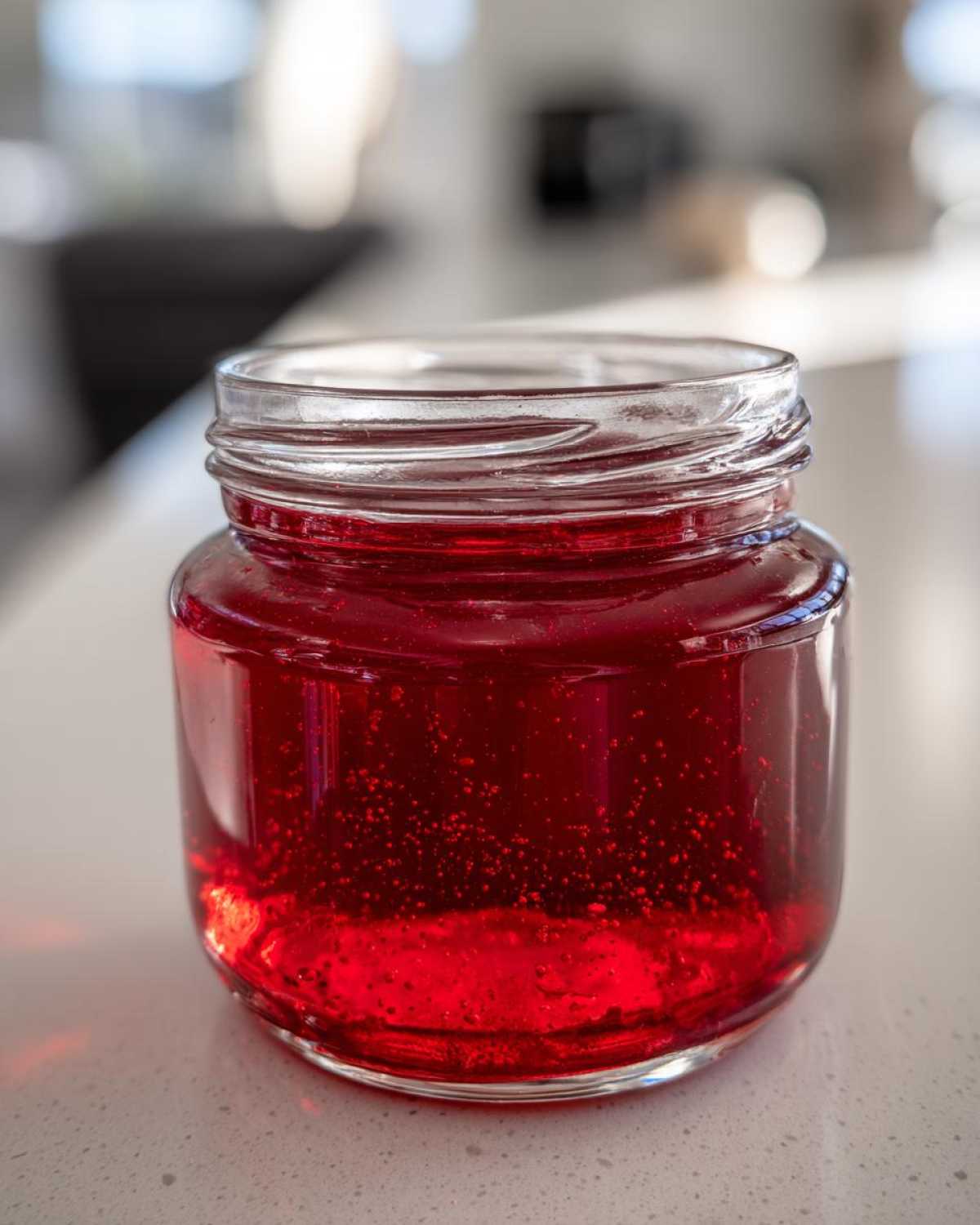
There’s nothing quite like a jar of homemade goodness. This raspberry jelly recipe is so easy. It delivers amazing results every time.
You’ll love its bright, fruity taste. It’s far better than anything from the store. Plus, making it yourself is really satisfying. It’s truly a kitchen adventure!
- It’s simple to follow.
- The taste is incredibly fresh.
- It makes delicious gifts.
- You control the ingredients.
The Ultimate Homemade Raspberry Jelly Recipe
Making your own preserves is a special kind of magic. This raspberry jelly recipe uses fresh berries. You get a pure, intense flavor. It’s a taste that store-bought jams just can’t match. There’s pride in seeing those beautiful jars. It’s a little bit of summer, preserved.
Essential Equipment for Your Raspberry Jelly Recipe
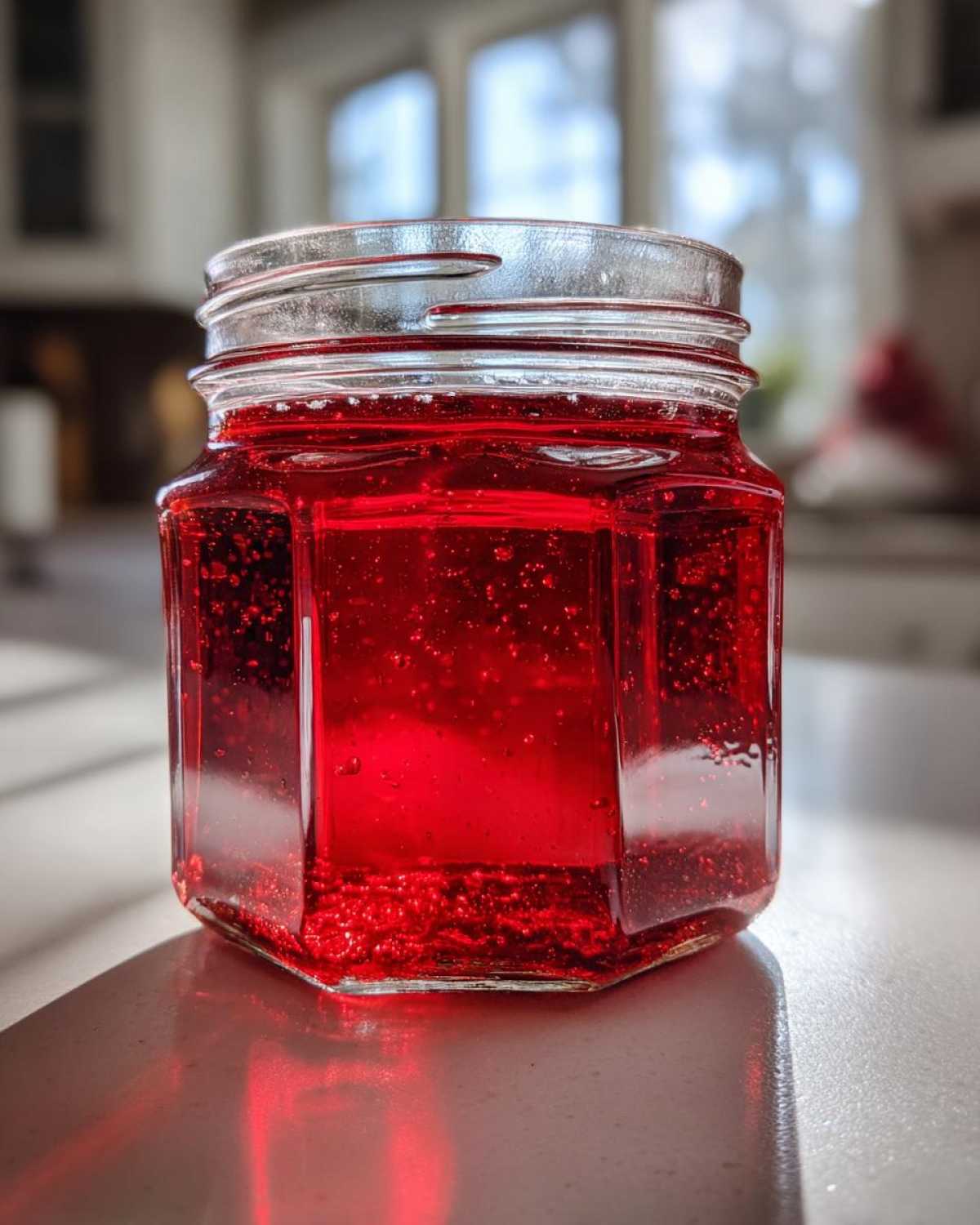
Having the right tools makes all the difference. For this raspberry jelly recipe, you’ll need a few key items. A large, heavy-bottomed pot is a must. You’ll also want a potato masher or fork. A fine-mesh sieve or cheesecloth is essential for straining. Of course, you’ll need canning jars, lids, and bands. A boiling water canner completes the setup. These tools help ensure success.
Tools for a Perfect Raspberry Jelly Recipe
Each piece of equipment plays a role. A heavy-bottomed pot prevents scorching. It helps cook the raspberry jelly recipe evenly. The sieve removes seeds for a smooth texture. Canning jars are for safe storage. They keep your delicious spread fresh. These tools make the process efficient.
Ingredients for a Delightful Raspberry Jelly Recipe
Gathering your ingredients is the first step. For this raspberry jelly recipe, you’ll need fresh, ripe raspberries. I always pick the brightest ones! You’ll also need granulated sugar. Fresh lemon juice adds a lovely brightness. And liquid pectin is key for that perfect set. Make sure to have these ready before you begin.
- 4 cups fresh raspberries
- 4 cups granulated sugar
- 1/4 cup fresh lemon juice
- 1 pouch liquid pectin (3 ounces)
Choosing the Best Berries for Your Raspberry Jelly Recipe
The secret to great jelly starts with great fruit. For this raspberry jelly recipe, choose raspberries that are vibrant red. They should be plump and fragrant. Ripe berries have the best flavor. This helps with gelling too. If fresh aren’t available, quality frozen raspberries can work. Just make sure they are unsweetened.
Crafting Your Raspberry Jelly Recipe: Step-by-Step Instructions
Ready to make some magic? This raspberry jelly recipe is super straightforward. Just follow these steps carefully. You’ll have beautiful jars of homemade jelly. It’s a truly rewarding process!
First, get all your ingredients ready. Clean your workspace. Sterilize your jars and lids. This is so important for food safety. Now, let’s get cooking!
Wash your fresh raspberries well. Place them in a large, heavy pot. Use a potato masher to crush them. You want to release all their juicy goodness. Add the fresh lemon juice to the crushed berries. Bring the mix to a boil. Stir constantly for one minute. Then, take it off the heat. Strain the raspberry mixture. Use a fine-mesh sieve or cheesecloth. Press to get every drop of juice. Discard the leftover pulp and seeds. Return the clean juice to the pot. Add the granulated sugar. Stir until it completely dissolves. Bring the mixture to a rolling boil. Stir often to prevent sticking. Pour in the liquid pectin. Stir vigorously for one minute. Remove from heat. Skim off any foam. Ladle hot jelly into sterilized jars. Leave a quarter-inch headspace. Wipe jar rims clean. Place lids and bands on jars. Tighten them fingertip tight. Process jars in a boiling water canner. Do this for 10 minutes. Remove jars and cool for 24 hours. Check seals; refrigerate unsealed jars.
Preparing the Fruit for Your Raspberry Jelly Recipe
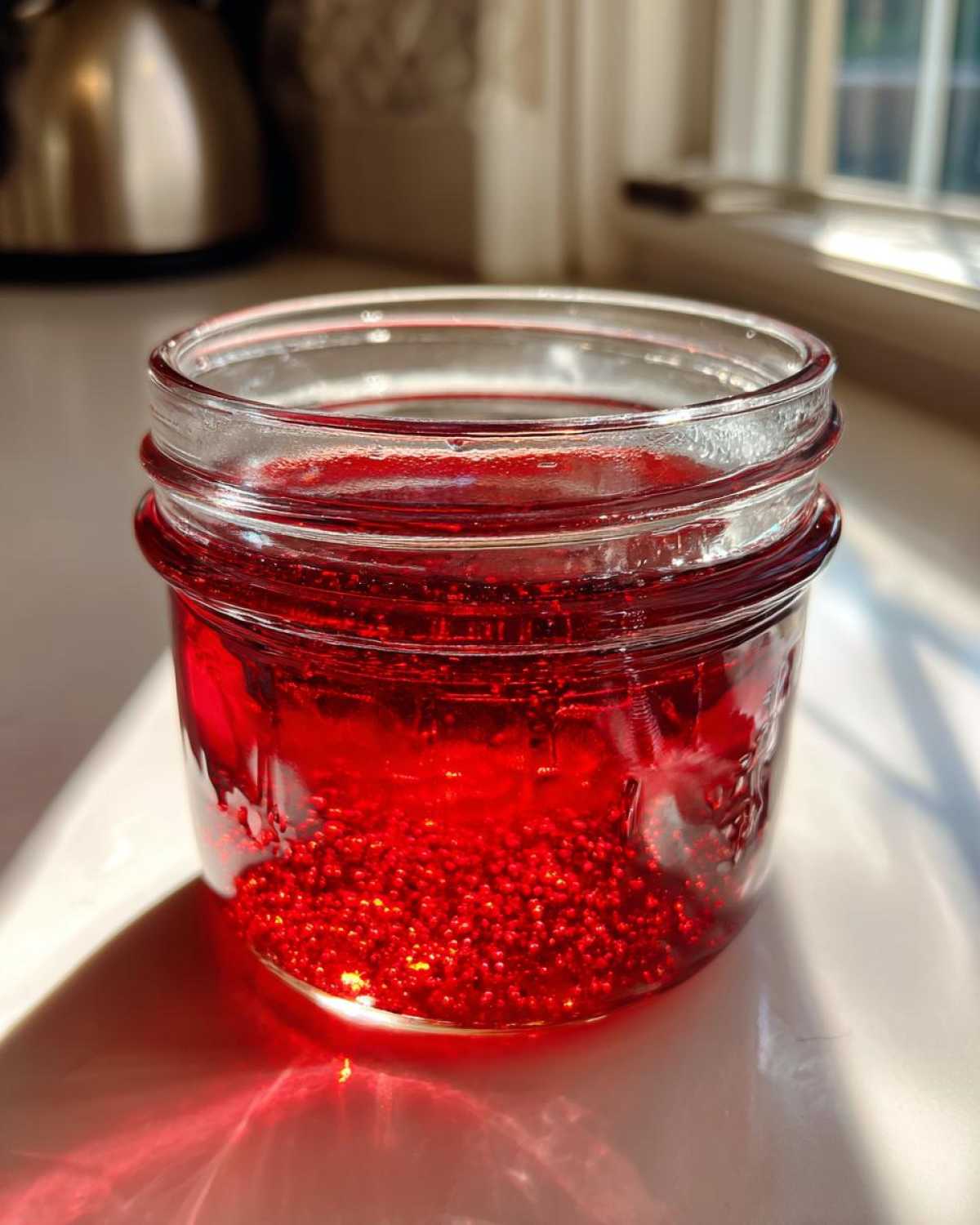
Starting right makes all the difference. For this raspberry jelly recipe, wash your raspberries gently. Place them in a large pot. Use a potato masher to crush them. This releases their natural juices. It also helps break down the fruit. This step is key for flavor. It ensures you get plenty of liquid. That liquid is what becomes your delicious jelly.
Cooking and Gelling Your Raspberry Jelly Recipe
Now for the exciting part! After preparing the fruit, return the strained juice to the pot. Add all the sugar. Stir it well until it dissolves. Bring this mixture to a strong, rolling boil. It should be bubbling vigorously. Stirring constantly prevents scorching. Then, quickly add the liquid pectin. Stir like crazy for one full minute. This pectin needs that hard boil. It helps your raspberry jelly recipe set perfectly. Remove it from the heat. Skim off any foam. This makes for a clearer jelly.
Canning and Sealing Your Raspberry Jelly Recipe
This final step preserves your hard work. Carefully ladle the hot raspberry jelly into clean, sterilized jars. Leave about a quarter-inch space at the top. This is called headspace. Wipe jar rims clean with a damp cloth. Place the lids and screw bands on. Tighten them just until “fingertip tight.” Don’t overtighten! Process the jars in a boiling water canner. Follow the instructions for 10 minutes. This creates a vacuum seal. It keeps your raspberry jelly fresh. Let them cool undisturbed for 24 hours. Check the seals after cooling.
Tips for Success with Your Raspberry Jelly Recipe
Making jelly can feel a bit like a science experiment. But with a few tips, your raspberry jelly recipe will be perfect. Always measure ingredients precisely. Don’t eyeball the sugar or pectin. That’s a common mistake. Use a timer for boiling. Over-boiling can prevent gelling. Under-boiling won’t activate the pectin. A wide, shallow pot is best. It helps the liquid reduce faster. This ensures a quicker set. Don’t double the recipe. It can affect the gelling process. Work in batches if you need more.
Ensuring a Perfect Set for Your Raspberry Jelly Recipe
The “set” is crucial for any jelly. For this raspberry jelly recipe, pectin needs heat and sugar to work. Make sure your sugar dissolves completely. A rolling boil is essential for activating pectin. It’s a boil that can’t be stirred down. Don’t reduce the sugar. It’s vital for proper gelling. Under-ripe fruit has more natural pectin. But ripe fruit tastes better. That’s why we add liquid pectin. It guarantees a good set.
Storing and Enjoying Your Raspberry Jelly Recipe
Once your beautiful jars are sealed, good job! Store your raspberry jelly recipe in a cool, dark place. A pantry or cupboard is perfect. Sealed jars will last for up to a year. Once opened, keep your jelly in the fridge. It should stay fresh for about three weeks. This jelly is amazing on toast. Try it with warm scones or a croissant. It also makes a fantastic filling for thumbprint cookies. Enjoy every delicious spoonful!
Making Your Raspberry Jelly Recipe Last
Proper storage is key for longevity. Keep your sealed raspberry jelly recipe jars upright. Store them away from direct sunlight. This helps maintain color and flavor. Freezing is also an option for unsealed jars. Just make sure to leave headspace. This extends its freshness for months. You’ll love having this taste of summer available.

Common Questions About This Raspberry Jelly Recipe
Got questions about your raspberry jelly recipe? I’ve heard them all! It’s normal to have a few bumps. Let’s clear them up. Making jelly is a learning process. These answers should help you out.
Raspberry Jelly Recipe FAQs
Can I reduce the sugar in this raspberry jelly recipe? No, I don’t recommend it. Sugar is vital for proper gelling. It also acts as a preservative. Changing the amount can stop it from setting. It might also reduce shelf life.
Why didn’t my raspberry jelly recipe set? This is a common one! It’s usually due to not enough pectin. Maybe the boil wasn’t strong enough. Or, it could be incorrect measurements. Re-boiling with more pectin can sometimes fix it.
Can I use frozen raspberries? Yes, you can! Just make sure they are unsweetened. Thaw them completely first. Then, proceed with the recipe as usual. The flavor will still be amazing.
How do I know if my jelly is set? A good test is the ‘sheet test.’ Dip a cold spoon into the jelly. Lift it up. If it forms a ‘sheet’ that drips off, it’s ready. If it drips in single drops, keep boiling.
Estimated Nutritional Information for Your Raspberry Jelly Recipe
Here’s an estimate for your raspberry jelly recipe. Per serving, about one tablespoon, it’s around 50 calories. You’ll find 12g of sugar. There’s 0g fat and 0g protein. Carbohydrates are 13g. These numbers are estimates. They can change based on your ingredients. Enjoy this sweet treat!
Share Your Raspberry Jelly Recipe Creations!
I would absolutely love to see your beautiful raspberry jelly recipe creations! There’s nothing better than seeing what you’ve made. Did you try a new serving idea? Or maybe you have a fun canning tip to share?
Please leave a comment below. Tell me how it went for you. Rate the recipe. Snap a picture of your gorgeous jars! Tag me on social media. Let’s celebrate our kitchen adventures together. Your stories truly inspire me!
PrintAmazing Raspberry Jelly: 1 Secret for a Perfect Set

This classic raspberry jelly recipe offers a sweet and tangy spread perfect for toast, pastries, or as a delightful gift. It combines fresh raspberries with sugar and a touch of lemon for a vibrant flavor.
- Prep Time: 30 minutes
- Cook Time: 20 minutes
- Total Time: 50 minutes
- Yield: 5-6 half-pint jars
- Category: Preserves
- Method: Boiling and Canning
- Cuisine: American
- Diet: Vegetarian
Ingredients
- 4 cups fresh raspberries
- 4 cups granulated sugar
- 1/4 cup fresh lemon juice
- 1 pouch liquid pectin (3 ounces)
Instructions
- Wash raspberries and place them in a large, heavy-bottomed pot.
- Crush raspberries with a potato masher or fork to release their juice.
- Add lemon juice to the pot. Bring the mixture to a boil over medium-high heat, stirring constantly.
- Continue to boil for 1 minute, then remove from heat.
- Strain the raspberry mixture through a fine-mesh sieve or cheesecloth to remove seeds, pressing to extract all liquid. Discard solids.
- Return the strained raspberry juice to the clean pot. Add granulated sugar and stir until the sugar dissolves completely.
- Bring the mixture to a rolling boil over high heat, stirring frequently.
- Pour in the liquid pectin, stirring constantly. Continue to boil for 1 minute, stirring vigorously.
- Remove from heat and skim off any foam from the surface with a spoon.
- Carefully ladle the hot jelly into sterilized canning jars, leaving 1/4 inch headspace.
- Wipe jar rims clean. Place lids and bands on jars, tightening until fingertip tight.
- Process jars in a boiling water canner for 10 minutes.
- Remove jars from canner and let cool on a wire rack for 24 hours. Check seals; if a lid does not seal, refrigerate the jelly and use within 3 weeks.
Notes
- Use ripe, fresh raspberries for the best flavor.
- Adjust sweetness to your preference, but note that sugar is crucial for proper gelling.
- Sterilize jars and lids before canning to ensure food safety and proper sealing.
- For a smoother jelly, strain the raspberry mixture twice.
Nutrition
- Serving Size: 1 tablespoon
- Calories: 50
- Sugar: 12g
- Sodium: 0mg
- Fat: 0g
- Saturated Fat: 0g
- Unsaturated Fat: 0g
- Trans Fat: 0g
- Carbohydrates: 13g
- Fiber: 0g
- Protein: 0g
- Cholesterol: 0mg


Comments are closed.