

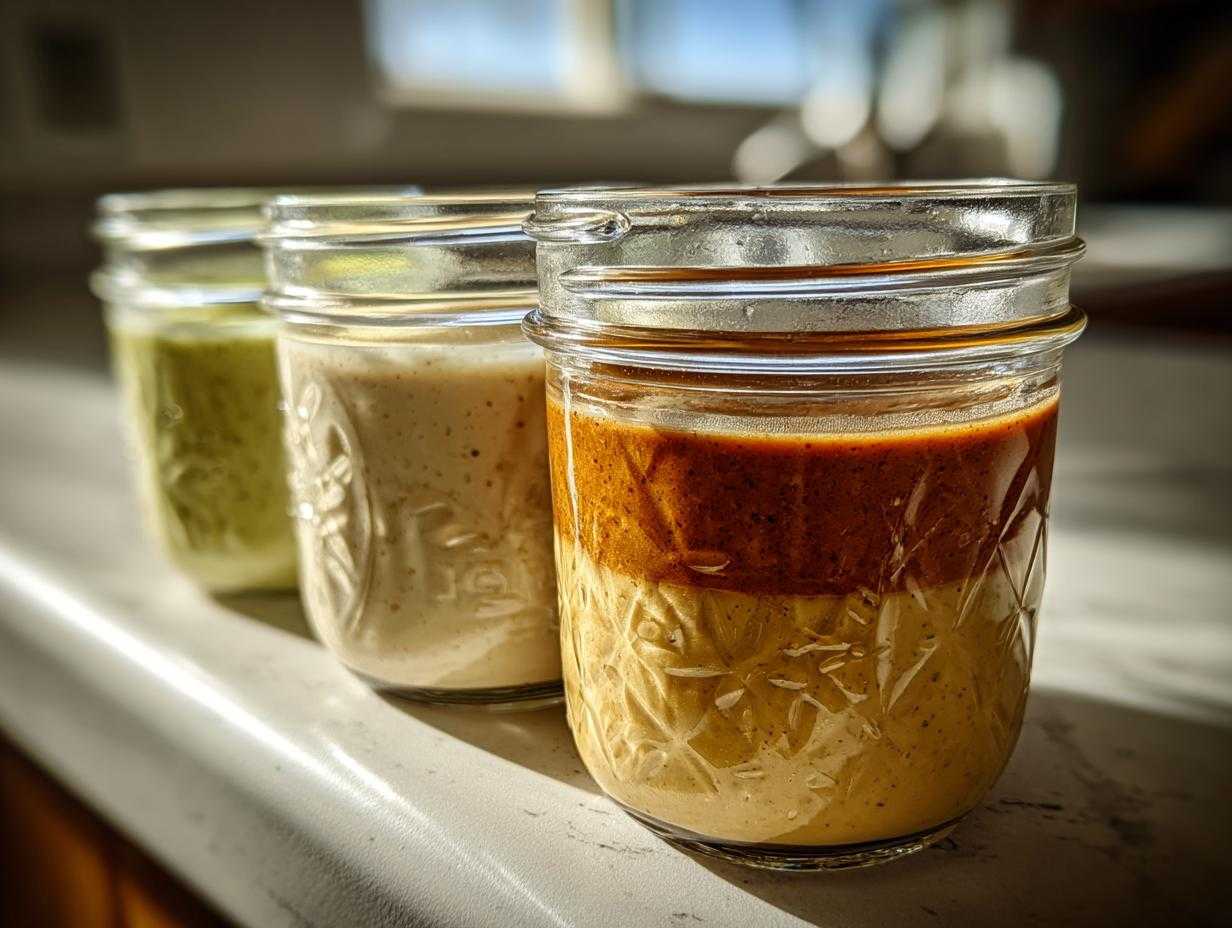
Oh my goodness, have you ever really *tasted* your salad? I mean, really tasted it? Because once you switch from those store-bought bottles to something you whipped up yourself in five minutes, your entire world changes! Seriously. That gloppy, overly sweet stuff we tolerate just doesn’t hold a candle to the brightness of fresh ingredients.
I’m here today to share exactly how I stopped buying bottled goo and started making my own incredible salad dressing. We’re not talking about one complicated recipe, either. This quick guide shows you exactly how to master three foundational recipes: a foolproof vinaigrette, a zesty creamy ranch style, and a sweet and tangy maple Dijon. Trust me, once you make your own, you’ll never look back. Let’s ditch the additives!
Why You Need to Make Your Own Salad Dressing Today
Honestly, the difference between jarred stuff and homemade is night and day. You might think it’s not a big deal, but your lettuce knows the difference! When you make your own dressing, you’re saving money, yes, but more importantly, you are taking back control over what you eat.
- You skip all those weird stabilizers and sugars I can barely pronounce.
- It tastes unbelievably fresher—the herbs just wake up!
- It’s fast! Seriously, five minutes maybe?
It just makes everything taste better, whether it’s a quick side salad or a big dinner bowl.
Flavor Control in Every Salad Dressing
This is my favorite part about being in charge of my own salad dressing. If I want more zip, I use more lemon. If I’m watching salt, I cut back! You can turn anything into a truly flavorful low additive dressing just by testing as you mix. It becomes intuitive really fast. You are the boss of the tang!
Essential Ingredients for Homemade Salad Dressing
Okay, let’s talk components! This is where we gather our little supplies before we jump into the mixing bowls. Getting the right measurement right here means you get a perfect homemade salad dressing every time. I’ve grouped everything needed for our three different styles below. Make sure your garlic is minced nice and fine—no big chunks in my dressings!
For our Classic Vinaigrette, grab:
- 1/2 cup Extra Virgin Olive Oil (make sure it’s good stuff!)
- 1/4 cup Red Wine Vinegar
- 1 teaspoon Dijon Mustard
- 1/2 teaspoon Salt
- 1/4 teaspoon Black Pepper
- 1 clove Garlic, minced
- 1 tablespoon Lemon Juice
Next up, the Creamy Ranch style needs:
- 1/2 cup Mayonnaise or Greek Yogurt (your choice for creaminess)
- 1 teaspoon Dried Dill
- 1/2 teaspoon Onion Powder
And finally, for the Maple Dijon:
- Olive Oil (we use that same 1/2 cup portion stirred in)
- 1/4 cup Apple Cider Vinegar
- 2 tablespoons Maple Syrup
- 1 teaspoon Dijon Mustard
Base Components for Every Great Salad Dressing
Every vinaigrette dressing recipe lives or dies based on its fat-to-acid ratio. The oil, usually olive oil for us, carries all the flavor. The vinegar—whether it’s red wine or apple cider—is the sharp, necessary tang that cuts through the fat. It’s a balancing act! If you get this foundation right, you’re halfway to the best salad dressing recipes out there.
How to Prepare the Three Ultimate Salad Dressing Recipes
Now for the fun part! You’ll be shocked how fast this all comes together. We’re talking under 10 minutes total for all three of these foundational salad dressing recipes. Don’t feel like you need any fancy equipment here; just a jar with a tight lid or a good little whisk is all you need to get started on your dressing to make at home adventure.
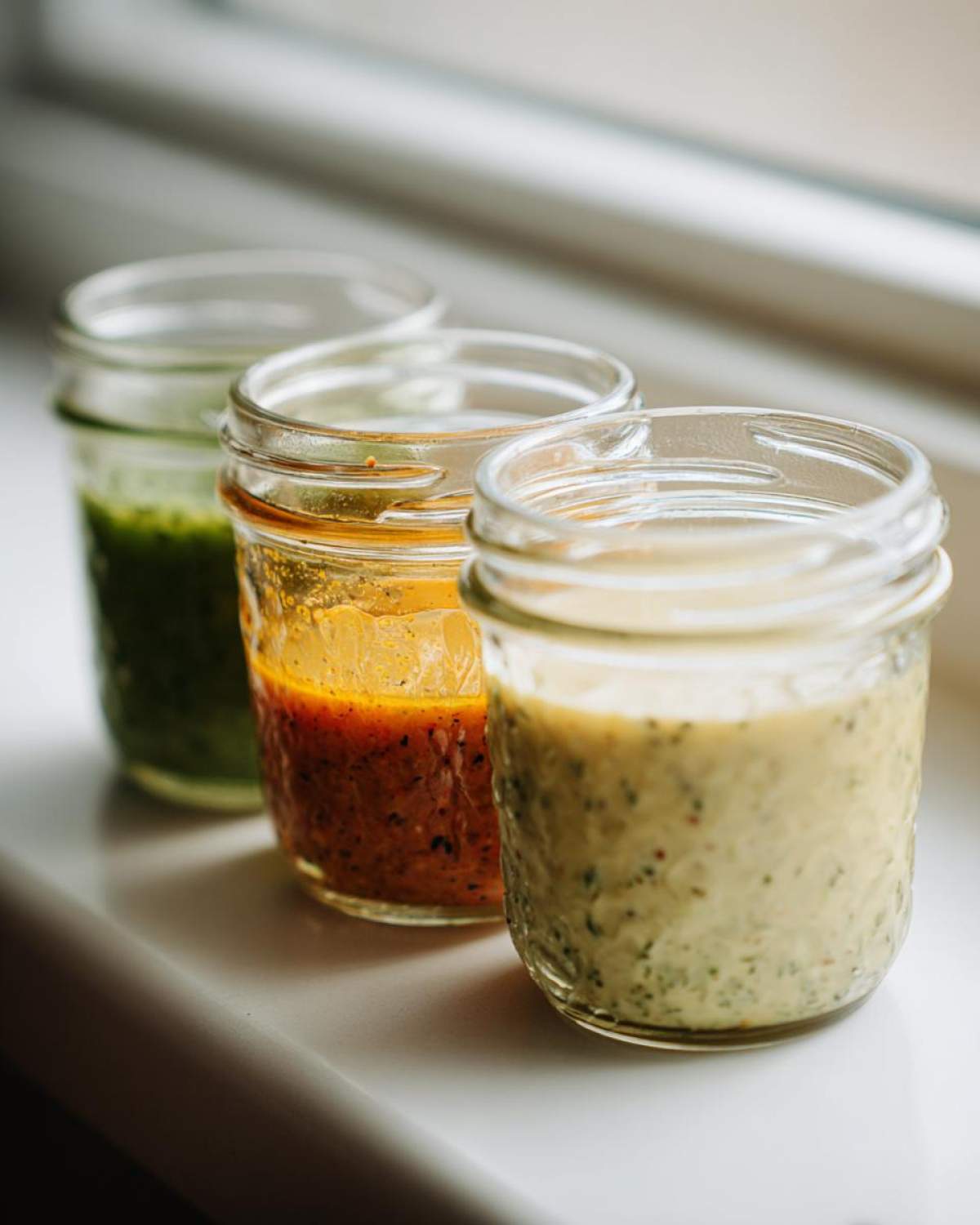
Making the Classic Vinaigrette Salad Dressing
For this easy vinaigrette, you simply toss everything—oil, red wine vinegar, Dijon, garlic, salt, pepper, and lemon juice—right into a mason jar. Cap that lid on tight! Now, shake, shake, shake! You need to shake it hard until the mixture looks creamy and blended, which is called emulsifying. Taste it! This is the key step for any easy vinaigrette recipe. Adjust the salt or vinegar until it sings!
Whipping Up the Creamy Salad Dressing (Ranch Style)
The creamy version is done in a bowl instead of a jar. Just take your mayonnaise or Greek yogurt—I use yogurt sometimes to keep it lighter—and whisk in the dill and onion powder. That’s the base of our creamy salad dressing! Then, you thin it out. Add water or milk slowly until it drizzles off your whisk easily. Don’t dump it all in at once; you want to control that thickness!
Mixing the Tangy Maple Dijon Salad Dressing
This one is best made with a whisk to guarantee everything mixes smoothly. In a dedicated bowl, you’ll whisk the oil and the apple cider vinegar together first. Then, incorporate the Dijon mustard and that lovely maple syrup. Whisk constantly now! The maple syrup adds such a nice depth that you just don’t get with plain sugar. Keep mixing until it looks cohesive before you add your salt and pepper.
Tips for Perfect Homemade Salad Dressing Consistency
Texture is everything when it comes to a great salad dressing. I always let my jarred vinaigrette sit on the counter for about ten minutes before I actually use it. Seriously, the chilling process firms up the oils and makes it too thick for drizzling, so let it warm up a bit first!
If your vinaigrette breaks and separates when you shake it, just add a tiny bit more Dijon mustard—that’s the emulsifier that pulls the oil and vinegar back together. For the creamy version, thinning is easy: add milk one teaspoon at a time until it drips perfectly off your spoon.
If your Maple Dijon seems too runny, just whisk in a bit more Dijon mustard or maybe a drop of maple syrup if you think it needs sweetness more than body. Getting that perfect pourable consistency takes just a little practice, but you’ll nail it!
Storage and Shelf Life for Your Salad Dressing
Listen, the best thing about these salad dressing recipes is that they last way longer than store-bought in a pinch! You need to keep them in airtight containers, naturally, and definitely pop them in the fridge. I just use old jars, maybe one I used for my homemade pickles last month.
The good news is they stay fresh for a solid week, which is perfect for meal prep dressing! If you notice the vinaigrette gets really cloudy or hard when cold, just let it sit on the counter while you chop veggies. It’ll come right back together.
Variations: Customizing Your Simple Salad Dressing
Once you have the core three down, I swear you can make a million different things! That’s the beauty of having a great simple salad dressing foundation. Don’t be afraid to treat these recipes like jumping-off points for your next amazing salad or veggie dip.
For starters, try swapping the Red Wine Vinegar in the vinaigrette for Balsamic. Hello, deeper, sweeter flavor! Or maybe you want to take that Lemon Vinaigrette base and toss in a teaspoon of fresh minced rosemary—it pairs beautifully with roasted potatoes.
If you’re aiming for a Southwest vibe, throw a pinch of cumin and smoked paprika into that creamy ranch base. And for the Maple Dijon? Swap that lemon juice for lime juice and boom—you’ve got a fantastic dressing that works great on a taco salad after you ditch the heavy mayo and go all yogurt!
Serving Suggestions for Every Salad Dressing
Okay, so we’ve made all this amazing salad dressing, right? But honestly, these aren’t just for boring lettuce salads! Please don’t limit their greatness. These homemade concoctions are so versatile, and I use them everywhere.
First off, the vinaigrette? It’s an incredible marinade. Try brushing that lemon vinaigrette onto chicken or tossing it with roasted asparagus before you put it into the oven. It adds such a vibrant tang before cooking even starts.
My creamy ranch is the perfect dip for raw veggies when you’re having people over. Forget fussy dips—just put some out with carrot sticks and peppers. And the Maple Dijon? It’s fantastic drizzled over a hearty grain bowl, like one with quinoa and roasted sweet potatoes. See? Instant upgrade for anything on your plate!
Frequently Asked Questions About Salad Dressing
Can I make a healthy salad dressing using these bases?
Absolutely! That’s the beauty of making your own healthy salad dressing. For the vinaigrette, just swap half the oil for water or use 3/4 vinegar to 1/4 oil ratio instead of the standard 2:1. For the creamy version, stick with Greek yogurt instead of mayo. You can even use a mix of both yogurt and mustard to thicken it up naturally instead of relying so much on fat. It keeps things light for your healthy homemade sauces!
What is the best way to make your own dressing if I don’t have a jar?
Oh, I’ve been there! If you can’t find a decent jar with a lid that seals tight, don’t stress about shaking enough to get that emulsion. Instead, grab a small bowl and a mini whisk. For the vinaigrette, you need to whisk the vinegar, mustard, and seasonings first. Then, pour the oil in *very* slowly, drop by drop at first, while whisking constantly. This is really the key to success when you make your own dressing by hand. It takes a little more arm power, but you still get perfect results!
How long do these homemade dressings really last?
For the vinaigrette, it lasts about a week, maybe a little longer if you use good, fresh oil. The creamy one usually lasts about five to seven days because of the dairy/mayo base. Just look for any off smells or strange color changes, but honestly, they usually disappear long before that because they’re so good!
Nutritional Estimates for This Salad Dressing Guide
I know some of you are watching the macros, so here’s a quick peek at the numbers for these amazing salad dressing recipes. Keep in mind, these are estimates averaged across the batch size, usually working out perfectly for a two-tablespoon serving.
Per 2 Tablespoons serving, you’re generally looking at around 140 calories. We have about 15 grams of total fat, just 2 grams of carbs (including sugar), and practically zero protein. Sodium hovers around 180mg. So, yes, they’re fat-forward like any good dressing, but you’re controlling the quality!
PrintThree Essential Homemade Salad Dressings
Make three versatile, fresh salad dressings at home: a Classic Vinaigrette, a Creamy Ranch style, and a tangy Maple Dijon.
- Prep Time: 10 min
- Cook Time: 0 min
- Total Time: 10 min
- Yield: About 1.5 cups total
- Category: Condiment
- Method: Mixing/Shaking
- Cuisine: American
- Diet: Vegetarian
Ingredients
- 1/2 cup Extra Virgin Olive Oil
- 1/4 cup Red Wine Vinegar
- 1 teaspoon Dijon Mustard
- 1/2 teaspoon Salt
- 1/4 teaspoon Black Pepper
- 1 clove Garlic, minced (for Vinaigrette)
- 1/2 cup Mayonnaise or Greek Yogurt (for Creamy)
- 2 tablespoons Maple Syrup (for Maple Dijon)
- 1 tablespoon Lemon Juice (for Vinaigrette)
- 1 teaspoon Dried Dill (for Creamy)
- 1/2 teaspoon Onion Powder (for Creamy)
- 1/4 cup Apple Cider Vinegar (for Maple Dijon)
Instructions
- For the Classic Vinaigrette: Combine olive oil, red wine vinegar, Dijon mustard, salt, pepper, minced garlic, and lemon juice in a jar with a tight-fitting lid.
- Seal the jar and shake vigorously until the dressing emulsifies and thickens slightly. Taste and adjust salt or vinegar as needed.
- For the Creamy Ranch: In a small bowl, whisk together mayonnaise or Greek yogurt, salt, pepper, dried dill, and onion powder. Add 1-2 tablespoons of water or milk to reach your desired consistency.
- For the Maple Dijon: In a separate small bowl, whisk together olive oil, apple cider vinegar, Dijon mustard, maple syrup, salt, and pepper until fully combined.
- Store all dressings in airtight containers in the refrigerator. Allow them to come to room temperature for 10 minutes before serving for best texture.
Notes
- You can substitute any mild vinegar (like white wine vinegar) for red wine vinegar in the vinaigrette.
- For a thinner creamy dressing, add buttermilk instead of water.
- These dressings keep well for up to one week in the refrigerator.
Nutrition
- Serving Size: 2 Tablespoons
- Calories: 140
- Sugar: 2
- Sodium: 180
- Fat: 15
- Saturated Fat: 2
- Unsaturated Fat: 13
- Trans Fat: 0
- Carbohydrates: 2
- Fiber: 0
- Protein: 0
- Cholesterol: 5

Comments are closed.