

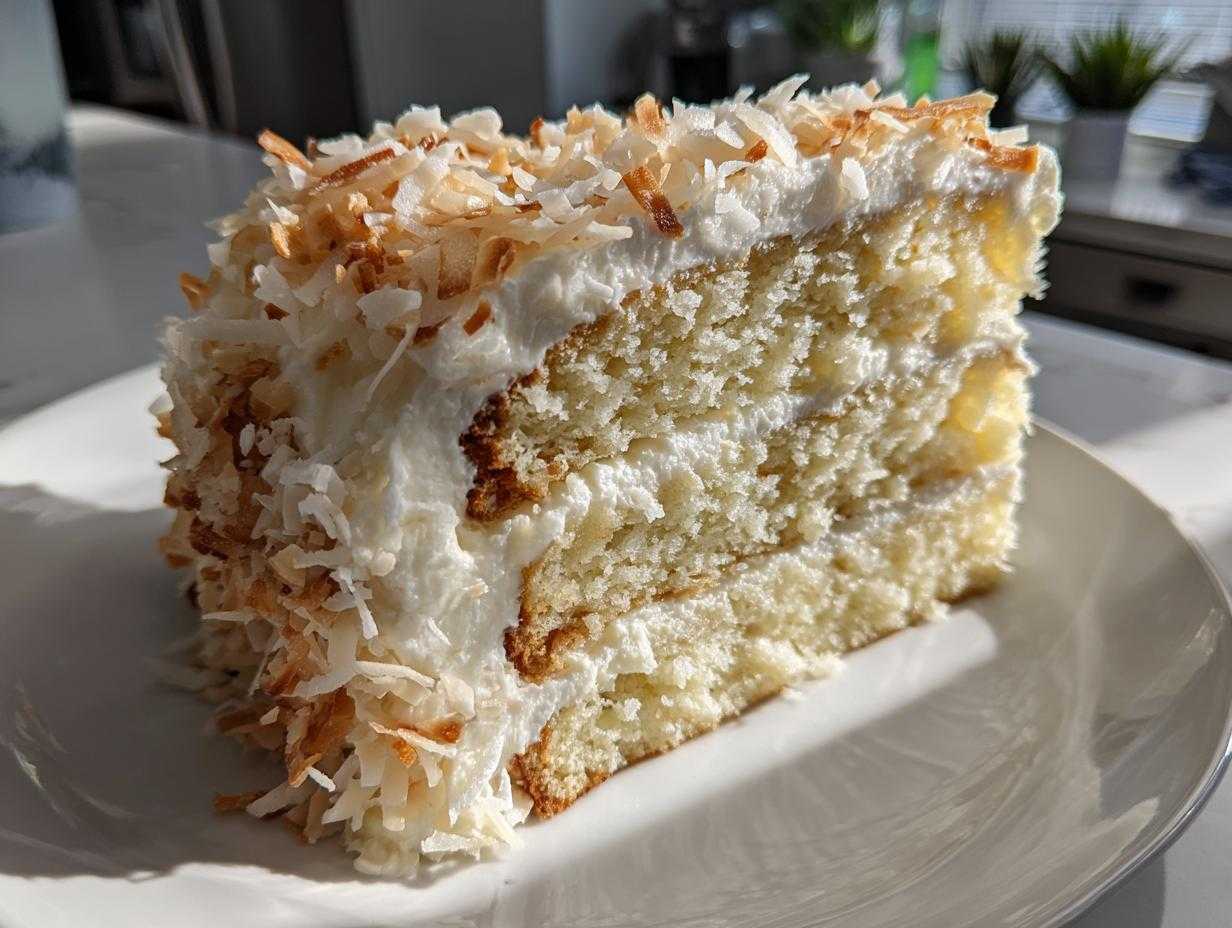
Forget those dry, crumbly versions you might have encountered! Achieving that perfect, bakery-style slice—the kind that melts in your mouth while still holding up beautifully as a layer cake—was a quest I embraced whole-heartedly. I spent ages tinkering, testing flavor combinations until I landed on this coconut cake recipe. Trust me, this is the ultimate Southern coconut cake you’ve been searching for. We’re hitting peak moisture levels thanks to a secret soak, and that rich coconut flavor bursts through in both the tender layers and the decadent cream cheese frosting.
After years of family requests and countless holiday baking failures that led to breakthroughs, I finally perfected the balance. This isn’t just a recipe; it’s my definitive guide to the Best Coconut Cake EVER. When you make this, get ready for requests for the recipe!
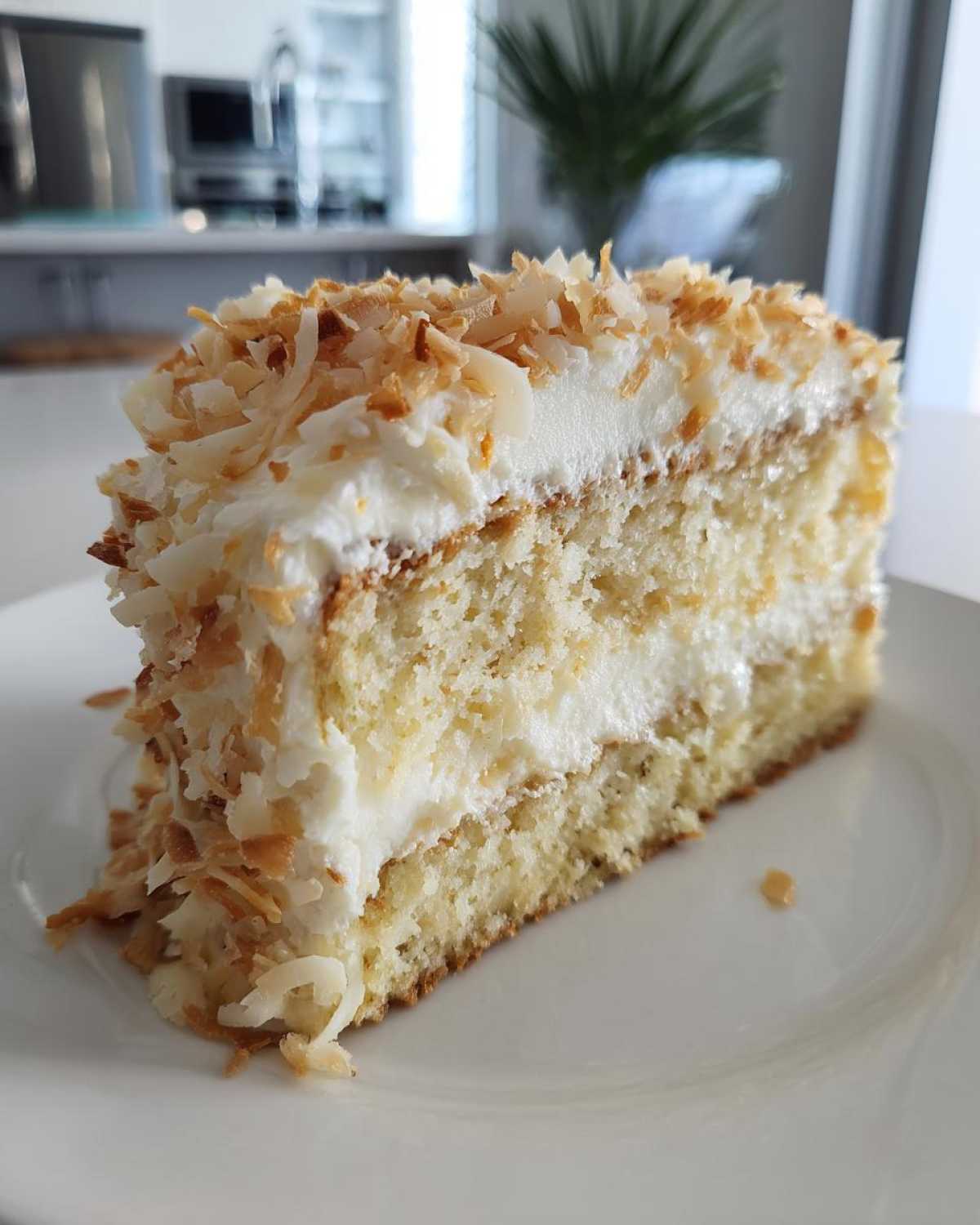
Why This Southern coconut cake recipe is the Best Coconut Cake EVER
So, you’re looking for a coconut cake that actually tastes like it came from a spectacular Southern bakery? I get it! I wouldn’t bother sharing this coconut cake recipe if it wasn’t truly exceptional. It’s packed with more coconut goodness than you can shake a whisk at. You can check out a little more about my baking philosophy over at my story page if you’re curious, but here’s the quick rundown on why this one stands head and shoulders above the rest:
- It’s genuinely from scratch! No weird chemical flavors lurking here. This is pure, buttery goodness.
- We use buttermilk, which keeps those tender coconut cake layers incredibly soft, not stiff or cake-mix dry.
- That sneaky warm soak poured over the layers? That’s the real secret to ensuring this is the Moist Coconut Cake you’ve always dreamed of.
- The frosting isn’t just sugary icing—it’s a luxurious Coconut Cream Cake with Cream Cheese Frosting base. It’s tangy, sweet, and deeply coconutty.
- It creates that sought-after, almost impossibly Fluffy Coconut Cake Recipe texture without collapsing under the weight of the frosting.
- This cake is designed to be show-stopping! It looks absolutely gorgeous when coated in toasted flakes, making it perfect for Celebration Cake Recipes.
- Honestly, every component sings. That’s why I confidently call it the Best Coconut Cake EVER!
Ingredients for Your Moist Coconut Cake
Okay, listen up, because the real magic in any coconut cake recipe stems directly from what you put into it. We’re using quality ingredients here, and make sure you pay attention to the state of your fats and dairy! Nothing ruins a baking day faster than cold butter when the recipe calls for softened. Seriously, plan ahead of time for this one, especially for the frosting components. Getting these details right is what elevates this cake from good to genuinely spectacular—the kind of Homemade Coconut Dessert that disappears instantly at parties.
When you are gathering your supplies, I always recommend grabbing high-quality unsweetened coconut; the flavor difference is huge! We need three main groups of items to make this dream happen, so grab your bowls, and let’s check the list.
For the Tender Coconut Cake Layers
This is the backbone of our Tender Coconut Cake Layers. Notice the buttermilk? That’s crucial! It reacts beautifully with the baking soda to give us lift while keeping the crumb incredibly soft. That’s our first step toward that moist coconut cake goal!
- 1 3/4 cups all-purpose flour
- 1 3/4 cups granulated sugar
- 1 teaspoon baking soda
- 1/2 teaspoon salt
- 1 cup unsalted butter, softened
- 4 large eggs
- 1 cup buttermilk
- 1 teaspoon vanilla extract
- 1/2 cup unsweetened shredded coconut, finely chopped
For the Coconut Soak Mixture
This step might seem extra, but I promise you, this soak is what guarantees people will ask, “How did you make this so incredibly moist?” This mixture sinks right into the warm cake layers, bathing them in sweet, creamy coconut goodness. It’s a necessary step for achieving that Simple Moist Coconut Cake reputation!
- 1 (14 ounce) can sweetened condensed milk
- 1/2 cup cream of coconut (like Coco Lopez)
- 1/4 cup coconut milk
- 1 cup powdered sugar, for cake soak (I know, it seems like a lot, but it dissolves beautifully!)
For the Coconut Cream Cake with Cream Cheese Frosting
We are balancing the sweetness of the sweetened condensed milk soak with a frosting that brings both rich fat and a little tang. Make sure both the butter and the cream cheese for the frosting are truly softened—we need smooth sailing when creaming these together for volume!
- 1 cup unsalted butter, softened, for frosting
- 8 ounces cream cheese, softened, for frosting
- 1 teaspoon vanilla extract, for frosting
- 1/4 cup cream of coconut, for frosting
- 3 cups sweetened flaked coconut, for topping (save most of this for decorating!)
How to Prepare the Ultimate coconut cake recipe
Making this show-stopping Coconut Layer Cake is easier than you think, but it requires focus because every stage builds on the last. Don’t rush the prep, and you’ll be rewarded with the most tender cake. I always set out my butter and cream cheese for the frosting way ahead of time so they are perfect when I need them. This recipe yields two gorgeous 9-inch layers, perfect for stacking high!
And here’s a great little tip before we dive in: when you mix the wet and dry ingredients for this Fluffy Coconut Cake Recipe, stop mixing the second everything looks incorporated. Overmixing develops gluten, and we want cloud-like softness, not chewiness! For more tips on making beautiful baked goods, you can check out how I handle my doughnut recipes over here: Baked Strawberry Glazed Doughnut.
Mixing the Fluffy Coconut Cake Recipe Batter
First things first: get that oven cranked up to 350 degrees F and make sure those pans are greased and floured so you have zero sticking drama later! In a big bowl, whisk your dry stuff—flour, sugar, soda, salt. Then, we add that softened butter and mix on low speed until it looks like perfectly wet sand or coarse crumbs. Don’t panic if it looks a little strange at this point; that’s exactly right!
In a different bowl, it’s time for the liquid team: eggs, buttermilk, and vanilla. Whisk them up, and now, add them slowly to your crumb mixture while beating on medium speed. Once it’s just combined, fold in that secret little bit of finely chopped coconut. Divide that batter evenly, and you’re ready for the oven!
Baking and Applying the Coconut Soak
Let those layers bake for about 30 to 35 minutes. You’ll know they’re done when a toothpick comes out clean. While they are cooling slightly *in the pans*—and this is important—we make the soak. Warm up that condensed milk, cream of coconut, and coconut milk together until smooth. Do not boil it, just warm it up!
When the cakes are still warm, take a fork and poke holes all over the top surface of both layers. Be generous with the pokes! Slowly brush that warm milk soak over both cakes. If you let the cakes cool completely before soaking, they won’t absorb the liquid as well, so keep an eye on the timing here. Let them sit until totally, completely cool.
Assembling the Coconut Layer Cake
While the cakes cool, whip up your frosting! It starts exactly like traditional buttercream: beat the softened butter and cream cheese until fluffy, then slowly add the powdered sugar, vanilla, and the final bit of cream of coconut. Beat it until it’s light and airy!
Once those layers are stone cold, flip them out gently. Frost the bottom layer, top with the second one, and then cover the whole thing—top and sides—with the luscious frosting. Don’t forget the best part: press that final cup of flaked coconut all over the outside, covering every snowy inch. Pop it in the fridge for about half an hour before slicing so everything sets up nicely on the serving plate!
Tips for Success with Your coconut cake recipe
When you’re aiming for that show-stopping look and taste, a few little tricks make all the difference in making this coconut cake recipe shine. First, let’s talk about the coconut topping. If you want that golden-brown beauty instead of pale white—seriously, toast it!
Just spread those flaked coconut shavings on a baking sheet and pop them in the 350-degree oven for about 5 to 8 minutes. Watch them like a hawk, though; they go from perfect to burnt in seconds! Also, if you find your batter seems a bit thin, you can swap the buttermilk for coconut milk; it keeps the flavor bright and the cake just as tender. You can read about how I sneak coconut into other recipes over at this bread post!
And remember that general baking rule: room-temperature eggs and butter are your best friends. Cold ingredients don’t mix properly, which means no volume, and we need all the volume we can get for this Fluffy Coconut Cake Recipe.
Ingredient Notes and Substitutions for this coconut cake recipe
I know the ingredient list for this coconut cake recipe has a couple of specific items that might make you pause, especially if you usually keep a standard baking pantry. Don’t worry for a second; those unique ingredients are what make it taste like an authentic Southern Coconut Cake, but I want to make sure you feel fully equipped to tackle it!
The biggest question I always get is about the coconut products. We are using two different kinds: ‘shredded coconut’ (finely chopped for the cake batter itself) and ‘flaked coconut’ (the bigger shreds for topping). Make sure the first one is unsweetened if you can find it so we control the sugar level!
If you look over at my recipe for coconut curry noodles, you see how much I love different forms of coconut, but in baking, preparation matters!
Now, let’s tackle the substitutions if you can’t find exactly what the recipe calls for. This keeps your baking journey stress-free, which is the whole point of these notes!
- Cream of Coconut vs. Coconut Milk: These are NOT the same thing! Cream of coconut (like the stuff used in piña coladas, often found near the mixers) is thick, very sweet, and syrupy—this is what we need for that decadent soak and frosting depth. Coconut milk (the thin kind from a can, used in savory cooking) is much less sweet and thinner. If you substitute cream of coconut with regular canned coconut milk in the frosting, you’ll need to add extra powdered sugar!
- Buttermilk Swap: If you realize you don’t have buttermilk on hand for the batter, don’t run to the store! Just take regular milk (dairy or non-dairy works for this swap) and stir in one tablespoon of white vinegar or lemon juice for every cup of milk you need. Let it sit for five minutes until it curdles a bit—voilà, instant buttermilk for your Moist Coconut Cake!
- Dark vs. Light Coconut Flavor: If you want a punchier, almost toasted flavor in your bake, try toasting your shredded coconut for the cake layers lightly before tossing it into the batter. It deepens the whole profile beautifully.
Using these simple tips ensures that even if you have to pivot on ingredients, you keep that vital structure and intense coconut flavor that makes this the Ultimate Coconut Cake.
Variations: Beyond the Classic coconut cake recipe
This Coconut Layer Cake recipe is my gold standard, but I totally get it—sometimes you need a different shape or maybe a bit more ooey-gooey factor in your life! The great news is that because this batter is built to be so structurally sound and moist from that wonderful soak, it adapts beautifully to a few easy format changes.
If you want something quick for a casual get-together, thinking of this as Coconut Poke Cake Ideas is brilliant. Instead of layering, bake the cake in one 9×13 inch pan—you might need to add 5-10 minutes to the bake time since it’s deeper than two thin layers. Once it’s warm, poke holes everywhere and pour that amazing milk soak right over the top. You can then frost the top generously and sprinkle with your toasted coconut. It’s unbelievably good that way and perfect for potlucks!
If you are feeling fancy and want that classic swoopy design, turning this into a Coconut Bundt Cake Recipe is simple. Just make sure you thoroughly grease and flour your Bundt pan—those fluted edges love to stick! You might bake it for closer to 50 minutes, depending on the depth of your pan, so start checking with a skewer around the 45-minute mark. Since Bundt cakes are generally served with a simple glaze or a light drizzle, you can thin out some of the leftover frosting with a tablespoon or two of extra coconut milk if you want to keep the flavor profile consistent.
Either way, you are getting that heavenly, tender crumb that keeps everyone coming back for seconds. If you love these kinds of rich, soaked cakes, you absolutely need to try my recipe for Horchata Tres Leches Cake—it uses a similar soaking principle but with that amazing cinnamon spice!
Serving Suggestions for Your Celebration Cake Recipes
A masterpiece like this Coconut Layer Cake deserves the perfect supporting cast! Because this cake is so rich, tropical, and deeply flavored, you don’t need much else, but a few pairings really make it sing, especially when you’re serving it for a special occasion.
First, you absolutely must serve it slightly chilled alongside a bright, refreshing drink. Skip the heavy coffee and opt for something light. My favorite pairing with this cake is a chilled glass of sparkling rosé or, for a non-alcoholic kick, my recipe for the Frozen Peach Rose Slushy. The slight tartness of the peach cuts right through the sweetness of the coconut cream cheese frosting beautifully.
If you are having this as a holiday dessert, a simple side of fresh, slightly acidic fruit salad—think pineapple spears, mango chunks, and maybe a little kiwi—is perfect to cleanse the palate between decadent bites!
Storage and Reheating Instructions for this Homemade Coconut Dessert
Alright, the hard part is over—you’ve made the Best Coconut Cake EVER, and now you have leftovers (a miracle!). How do you keep this masterpiece looking and tasting fresh? Because we used that dreamy cream cheese frosting in our coconut cake recipe, storage is super important to maintain that fluffy texture and prevent drying out.
The biggest rule here is: cover it well! This cake is extremely prone to picking up any weird smells in the fridge, and we absolutely do not want that. Store any leftover slices of this Homemade Coconut Dessert in an airtight container. If you don’t have a cake carrier that seals tightly, covering the whole cake loosely with plastic wrap (making sure the wrap doesn’t stick to the coconut flakes or the frosting) and then placing it in the fridge is the next best thing.
In the refrigerator, this lovely Coconut Layer Cake will keep beautifully for about three to four days. Honestly, it tastes best on day two, once those milky soak flavors have really settled into the crumb!
Now, nobody wants cold, hard cream cheese frosting, right? If you are serving leftovers, pull the cake out of the fridge about 45 minutes before you plan to eat it. That little bit of time at room temperature lets the butter and cream cheese in the frosting soften up just enough so you get that perfect, velvety texture again. Don’t microwave it unless you are in a serious bind, as it can cause the frosting to melt unevenly!
Frequently Asked Questions about the coconut cake recipe
I know you might have a few lingering queries after reading through the secrets to making this show-stopping Coconut Layer Cake. Baking can feel intimidating, but I promise, once you know the quirks of this specific coconut cake recipe, you’ll be set for life! I’ve pulled together the questions I get asked most often about achieving that perfect Southern flavor and texture. If you ever need to reach out directly, you can find my contact info right here!
Can I make this Southern Coconut Cake using a box mix?
Oh, I get why you’d ask this! Sometimes you need a shortcut, especially when planning for big Holiday Coconut Desserts. Yes, you *can* cheat a little bit here. If you use a good quality white or yellow cake mix, treat it as the dry ingredients base, but you absolutely *must* still use the buttermilk and eggs from my recipe, and you cannot skip the coconut soak!
However, and I’m going to be honest with you: that soak is trying to fix the inherent dryness of the mix. My from scratch cake layers are naturally more tender because we control the fat and acid content from the beginning. You’ll get an acceptable cake, but you won’t hit that magical “Bakery Style Coconut Cake” softness unless you make it the way I laid out in the instructions. You deserve the best, so give the scratch version a try first!
What is the best way to toast the coconut topping?
This is non-negotiable for me if you want your cake to look professional and taste deeply coconutty. Pale coconut flakes just don’t deliver that caramelized depth of flavor! To toast the flakes for your topping—the large, sweetened kind—it’s super easy but requires vigilance.
- Preheat your oven back up to 350 degrees F (the same temp you used for baking).
- Spread the flaked coconut in a single, thin layer across a standard rimmed baking sheet. Don’t crowd them! If they overlap, they steam instead of toast.
- Slide them into the hot oven.
- Set a timer for 5 minutes. After that, check them every 60 seconds! They go from golden brown to black smoke alarm very, very quickly.
Once you see lovely honey-brown edges popping up, pull them out immediately. They will cool and crisp up on the pan. This small step transforms the entire look and taste of your Coconut Cake with Cream Cheese Frosting!
PrintSouthern Coconut Cream Layer Cake
A recipe for a moist, fluffy, bakery-style coconut layer cake with rich coconut cream cheese frosting.
- Prep Time: 30 min
- Cook Time: 35 min
- Total Time: 65 min
- Yield: 12 servings
- Category: Dessert
- Method: Baking
- Cuisine: American
- Diet: Vegetarian
Ingredients
- 1 3/4 cups all-purpose flour
- 1 3/4 cups granulated sugar
- 1 teaspoon baking soda
- 1/2 teaspoon salt
- 1 cup unsalted butter, softened
- 4 large eggs
- 1 cup buttermilk
- 1 teaspoon vanilla extract
- 1/2 cup unsweetened shredded coconut, finely chopped
- 1 (14 ounce) can sweetened condensed milk
- 1/2 cup cream of coconut (like Coco Lopez)
- 1/4 cup coconut milk
- 1 cup powdered sugar, for cake soak
- 1 cup unsalted butter, softened, for frosting
- 8 ounces cream cheese, softened, for frosting
- 1 teaspoon vanilla extract, for frosting
- 1/4 cup cream of coconut, for frosting
- 3 cups sweetened flaked coconut, for topping
Instructions
- Preheat your oven to 350 degrees F. Grease and flour two 9-inch round cake pans.
- In a large bowl, whisk together the flour, sugar, baking soda, and salt.
- Add the softened butter to the dry ingredients and beat with an electric mixer on low speed until the mixture resembles coarse crumbs.
- In a separate bowl, whisk together the eggs, buttermilk, and vanilla extract. Gradually add the wet mixture to the dry mixture, beating on medium speed until just combined. Do not overmix.
- Gently fold in the finely chopped shredded coconut.
- Divide the batter evenly between the prepared cake pans. Bake for 30 to 35 minutes, or until a toothpick inserted into the center comes out clean.
- While the cakes cool slightly in the pans, prepare the soak: In a small saucepan, combine the sweetened condensed milk, cream of coconut, and coconut milk. Heat gently over low heat until warm, stirring until smooth.
- Poke holes all over the tops of the warm cakes using a fork or skewer. Brush the warm milk mixture evenly over both cakes. Let the cakes cool completely in the pans on a wire rack.
- Prepare the frosting: Beat the softened butter and cream cheese together until smooth and creamy. Gradually beat in the powdered sugar until incorporated. Add the vanilla extract and cream of coconut, beating until light and fluffy.
- Once cakes are completely cool, carefully remove them from the pans. Place one layer on a serving plate. Spread a layer of frosting over the top. Place the second layer on top. Frost the top and sides of the entire cake.
- Press the sweetened flaked coconut onto the top and sides of the cake. Chill for at least 30 minutes before slicing and serving.
Notes
- For an extra moist cake, you can use coconut milk instead of buttermilk in the batter.
- If you prefer a less sweet frosting, reduce the powdered sugar in the frosting by 1/2 cup.
- To toast the flaked coconut for topping, spread it on a baking sheet and bake at 350 degrees F for 5 to 8 minutes, watching closely to prevent burning.
Nutrition
- Serving Size: 1 slice
- Calories: 550
- Sugar: 65
- Sodium: 320
- Fat: 32
- Saturated Fat: 19
- Unsaturated Fat: 13
- Trans Fat: 0.5
- Carbohydrates: 65
- Fiber: 2
- Protein: 6
- Cholesterol: 120

Comments are closed.