

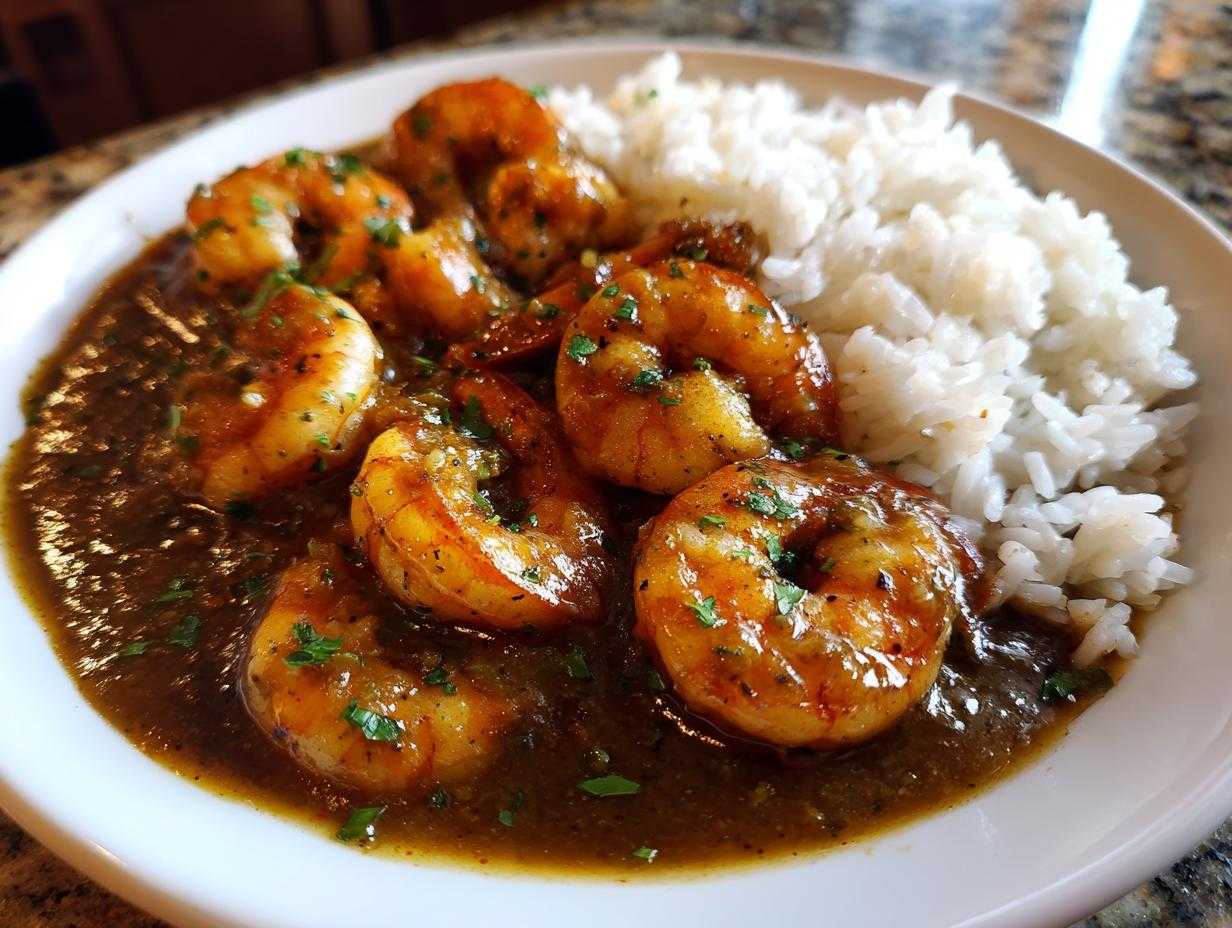
Oh, honey, when that coastal chill hits, there’s only one thing that warms me right down to my boots: a big bowl of Louisiana comfort food. Nothing beats the savory aroma of real, honest-to-goodness shrimp etouffee simmering on the stovetop. You read that right—we’re making the true deal today, the kind that tastes like you spent the whole day down in New Orleans. For years, I fiddled around with shortcuts, but trust me, the real magic is in dedicating the time to that roux. After countless attempts—and yes, a few near-disasters where the roux burned!—I’ve finally perfected the technique. I’m sharing my step-by-step guide so you can achieve that deeply flavorful, authentic base, just like my neighbors taught me after years of perfecting this Classic Creole Comfort Food. You can read a bit more about my journey in the kitchen over at my About Me page!
Why This Authentic Shrimp Etouffee Recipe Works (The Flavor Secrets)
When you’re making a Flavorful Seafood Stew like this, you can’t cut corners, especially where the flavor starts. My recipe nails that authentic taste because we’re not rushing the most important part. These core steps guarantee you get the true taste of Louisiana every single time you serve up this Hearty Seafood Meal.
- The deep color of the roux provides a richer, nutty base you just can’t fake with flour substitutes.
- We honor the Trinity—onion, celery, and bell pepper—by letting them soften beautifully before anything else goes in.
- Using quality broth (seafood stock is best!) ensures the shrimp flavor sings, rather than getting lost in heavy seasoning.
Mastering the Dark Roux for Shrimp Etouffee
Listen, the roux is everything here! It is the backbone of this Classic Creole Comfort Food. You need to whisk, and I mean actually whisk, for a good solid thirty minutes until that oil and flour mixture turns the color of deep, dark chocolate—not burnt chocolate, mind you, just rich and smoky. Patience during this stage means the difference between good etouffee and the Best Shrimp Etouffee Recipe out there. Don’t walk away!
The Holy Trinity and Flavor Building
Once that roux is perfect, we move fast to protect it from burning! Toss in your chopped onion, bell pepper, and celery right away. This blend, the Holy Trinity, needs a good sauté to sweeten up. Letting these vegetables sweat down properly builds the foundation for that incredible Savory Cajun Sauce. Garlic comes in last because we only want it fragrant, not bitter.
Gathering Ingredients for Your Cajun Shrimp Etouffee
Now that we’ve nailed the technique, let’s talk about what goes into the pot for this shrimp etouffee. Remember, the quality shines through when you’re dealing with classic comfort food, so try to get the freshest shrimp you can find, peeled and deveined, of course. For the roux, it’s just equal parts AP flour and a neutral oil—vegetable works great. Everything else is pretty much standard pantry fare, but don’t skip the fresh parsley for finishing; it brightens everything up at the end!
- 1/2 cup all-purpose flour
- 1/2 cup vegetable oil
- 1 large yellow onion, chopped
- 1 green bell pepper, chopped
- 2 celery stalks, chopped
- 3 cloves garlic, minced
- 1 pound medium shrimp, peeled and deveined
- 1 (14.5 ounce) can diced tomatoes, undrained
- 2 cups seafood or chicken broth
- 1 teaspoon dried thyme
- 1/2 teaspoon dried oregano
- 1/4 teaspoon cayenne pepper (or to taste)
- Salt and black pepper to taste
- 2 tablespoons chopped fresh parsley
- 1/4 cup chopped green onions (for garnish)
- Cooked white rice, for serving
Ingredient Notes and Substitutions for Shrimp Etouffee
If you’re going for a truly Traditional Étouffée Cooking experience, you should know that crawfish tails are the original protein here! You absolutely can swap those out for the shrimp if you find them, but make sure they are bite-sized. We are using medium shrimp here—too small and they’ll disappear, too big and they get tough fast. Also, measuring your canned tomatoes without draining them is key; that liquid has wonderful tomato essence we need in our sauce!
How to Make Roux for Etouffee: The Heart of the Dish
Okay, forget everything else for a minute. If you want that deep, soulful flavor that makes people ask if you flew straight in from the bayou, you have to nail the roux. This isn’t like making a light gravy; we are aiming for color, baby! Get a heavy-bottomed pot—your trustiest Dutch oven is perfect—and set your heat right in the middle, medium heat, no higher!
In goes your oil and flour, and the whisking starts. Seriously, don’t stop whisking for anything. You’ll watch it go from pale white muck to blonde, then peanut butter color, and you might think, “Wow, this is dark!” Ah, but you gotta keep going! We’re looking for that rich milk chocolate shade, which takes a good 20 to 30 minutes. It’s a commitment, I won’t lie, but when you get that color, you’ve locked in the flavor for your entire shrimp etouffee. If you see black bits sticking, pull the pot off the heat immediately and whisk like mad to save it. Trust me, I learned that the hard way!
Building the Base: Vegetables and Simmering for Shrimp Etouffee
Once that dark, gorgeous roux is ready—and I hope you didn’t scratch it up!—we need to bring the vegetables in to tame that heat. Immediately after whisking in the onion, bell pepper, and celery (the holy Trinity, bless their hearts), let them cook down gently for about five to seven minutes until they start to get soft and sweet. This is crucial for texture in what will become your rich Flavorful Seafood Stew.
Next up is the garlic. Toss that minced goodness in, but only cook it for about a minute! Garlic burns faster than anything, and we don’t want any bitter notes creeping into our gorgeous base. Now, grab your thyme, oregano, and that dash of cayenne pepper—remember, this is Southern cooking, so feel free to spice it up! Stir those dry spices in.
It’s time to introduce the liquid! Add in your diced tomatoes (juice and all) and your broth. Bring the whole glorious mess up to a gentle simmer. Then, turn the heat way down low, cover the pot, and just let it hang out for a good 20 minutes. This simmering time is where the flavors marry and deepen. Seriously, walk away, go set the table, pour yourself a glass of something frosty. After that 20 minutes, taste it, season it up perfectly with salt and pepper, and only then do we introduce the star: the shrimp. We just want them pink and plump, which takes maybe five minutes max. You can check out some great dinner ideas using shrimp over on my dedicated page if you’re planning meals for the week!
Final Steps for Perfect Cajun Shrimp Etouffee
Okay, we’ve simmered, we’ve seasoned, and that sauce is looking like pure velvet. Now for the moment of truth when we add the shrimp! This step is where everyone messes up because they get too excited. You want those beautiful, medium shrimp—peeled and deveined—tossed right into that gently simmering sauce along with your fresh parsley.
Here is the most important cooking tip for this shrimp etouffee: DO NOT OVERCOOK THEM! Shrimp go from tender and perfect to rubbery little bullets in seconds. We are talking three to five minutes, maximum, until they just turn opaque and pink. That’s it! Let them poach gently in that hot sauce. Once they look done, kill the heat immediately. If you want more ideas on quick shrimp cookery, check out my Spicy Garlic Lemon Butter Shrimp recipe—it covers the same principle of quick cooking!
Serving Your Authentic Louisiana Dish Over Rice
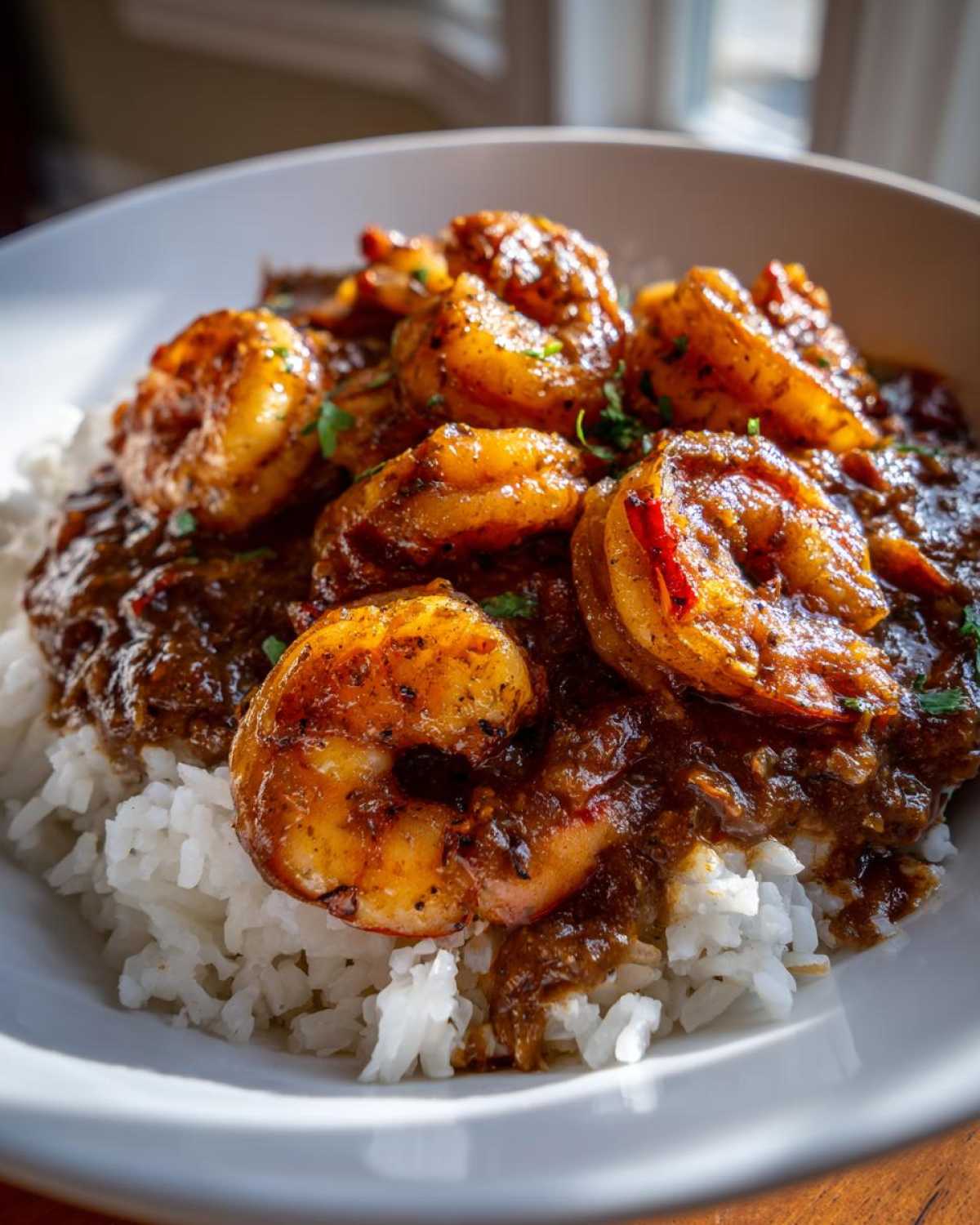
The final presentation is just as important as that dark roux we worked so hard on! We need something sturdy to soak up all that incredible, rich sauce of your shrimp etouffee. Plain, fluffy white rice is absolutely the only way to go—it’s the perfect neutral canvas for all those Cajun spices. And please, don’t skimp! You need plenty of rice to turn this into a truly Hearty Seafood Meal.
Once it’s spooned generously over the rice, remember those finishing touches! You want the vibrant green of the fresh parsley and the sharpness of the chopped green onions scattered right on top. That little pop of fresh color is the signature look for any proper Authentic Louisiana Dish. If you want more great ideas on pairing shrimp meals with rice, I cover some fun variations over at my dinner ideas with shrimp and rice post!
Tips for Success with Your Shrimp Etouffee
Making this **shrimp etouffee** is mostly about patience, but once it’s made, it’s even better the next day! My best tip for any rich stew is that the flavors actually deepen overnight. So, if you’re planning a big gathering, make the whole thing the day before, cool it, and gently reheat it low and slow. It makes your serving day a snap!
Now, about that consistency: because we use a dark roux, this sauce thickens up a lot as it cools down. If your pot looks too much like paste when you try to reheat it, don’t panic. Just stir in a half cup of warm seafood broth or water until it loosens back up to that perfect, saucy texture. It’s an easy fix!
If you’re looking for a really traditional vibe for your **Mardi Gras recipes**, I highly recommend adding a splash of dry sherry right after you season the sauce before the shrimp go in. Just a tablespoon or two gives it this amazing, almost sweet depth. Happy cooking, y’all! Don’t forget to check out my other Mardi Gras recipes for more festive ideas!
Frequently Asked Questions About Shrimp Etouffee
It’s normal to have questions when you’re diving into a recipe that hinges on technique, like this shrimp etouffee! I’ve gathered the ones I get asked the most when folks try this out for the first time. Remember, learning the **Traditional Étouffée Cooking** method is a blast, and small questions can save you a big headache later!
Can I use store-bought roux for shrimp etouffee?
You certainly can if you’re aiming for an **Easy Shrimp Etouffee Guide** for a weeknight meal! But I have to be honest: that store-bought stuff, even the good jars, won’t give you the deep, nutty, slightly smoky flavor you get from whisking your own dark roux. That homemade flavor is what makes this truly authentic. If you use jarred, you’ll likely need to cook it down longer once you add your vegetables just to deepen that base flavor a little bit.
What is the difference between Etouffee and Gumbo?
That’s a great question that confuses lots of folks! Think of it this way: Etouffee is thicker and much saucier; it blankets the rice, hence the word “smothered.” Gumbo is thinner, more soupy, and often uses okra or filé powder for thickening, sometimes alongside a lighter roux. Our recipe here is pure, thick Etouffee sauce clinging perfectly to the rice!
What if my roux burns when I’m trying to make it dark?
If you see black specks—and trust me, I have done this more times than I care to admit—you have to stop immediately! Dump the mixture into a bowl of cold oil or water to stop the cooking process, then throw it out. A burnt roux is truly bitter and will ruin the whole pot. It’s much better to start over and get that milk chocolate color right!
Estimated Nutritional Snapshot for This New Orleans Seafood Recipe
Now, I know lots of you are focused on what’s going into your body, and while this is pure comfort food, it’s nice to have a rough idea! Here are the estimated nutritional numbers for this rich, savory shrimp etouffee. Remember, this breakdown is just an estimate based on what I used in my pot, and it does not include the white rice you serve it over, because honestly, we all add rice differently!
- Serving Size: 1 serving (without rice)
- Calories: 380
- Sugar: 5g
- Sodium: 650mg
- Fat: 22g
- Saturated Fat: 4g
- Unsaturated Fat: 18g
- Trans Fat: 0g
- Carbohydrates: 25g
- Fiber: 4g
- Protein: 22g
- Cholesterol: 180mg
Keep in mind that if you use leaner oil, or if your shrimp were on the smaller side, these numbers will shift a bit. But this is a fantastic base for a full, satisfying New Orleans Seafood Recipe, packed with protein and flavor!
PrintAuthentic Cajun Shrimp Etouffee

A step-by-step guide to making classic New Orleans Shrimp Etouffee, focusing on developing a deep, flavorful roux base.
- Prep Time: 15 min
- Cook Time: 50 min
- Total Time: 65 min
- Yield: 4 servings
- Category: Dinner
- Method: Stovetop Simmering
- Cuisine: Cajun/Creole
- Diet: Low Lactose
Ingredients
- 1/2 cup all-purpose flour
- 1/2 cup vegetable oil
- 1 large yellow onion, chopped
- 1 green bell pepper, chopped
- 2 celery stalks, chopped
- 3 cloves garlic, minced
- 1 pound medium shrimp, peeled and deveined
- 1 (14.5 ounce) can diced tomatoes, undrained
- 2 cups seafood or chicken broth
- 1 teaspoon dried thyme
- 1/2 teaspoon dried oregano
- 1/4 teaspoon cayenne pepper (or to taste)
- Salt and black pepper to taste
- 2 tablespoons chopped fresh parsley
- 1/4 cup chopped green onions (for garnish)
- Cooked white rice, for serving
Instructions
- Make the roux: In a heavy-bottomed pot or Dutch oven, combine the flour and oil over medium heat. Whisk constantly until the mixture turns a dark brown color, similar to milk chocolate. This takes about 20 to 30 minutes. Watch carefully to prevent burning.
- Add the vegetables: Add the chopped onion, bell pepper, and celery to the roux. Cook, stirring frequently, until the vegetables soften, about 5 to 7 minutes.
- Add the garlic and cook for 1 minute until fragrant.
- Stir in the diced tomatoes, broth, thyme, oregano, and cayenne pepper. Bring the mixture to a simmer.
- Reduce the heat to low, cover the pot, and let the sauce cook for 20 minutes, allowing the flavors to meld.
- Season the sauce with salt and black pepper to your taste.
- Add the peeled shrimp and fresh parsley to the sauce. Cook gently until the shrimp turn pink and opaque, about 3 to 5 minutes. Do not overcook the shrimp.
- Serve the etouffee immediately over hot cooked white rice. Garnish with chopped green onions.
Notes
- The color of your roux dictates the final flavor; aim for a dark peanut butter or milk chocolate color for authentic Cajun flavor.
- If you prefer a less intense flavor, use a lighter roux (blond or peanut butter color).
- You can substitute crawfish tails for shrimp for a traditional crawfish etouffee.
Nutrition
- Serving Size: 1 serving (without rice)
- Calories: 380
- Sugar: 5
- Sodium: 650
- Fat: 22
- Saturated Fat: 4
- Unsaturated Fat: 18
- Trans Fat: 0
- Carbohydrates: 25
- Fiber: 4
- Protein: 22
- Cholesterol: 180


Comments are closed.