

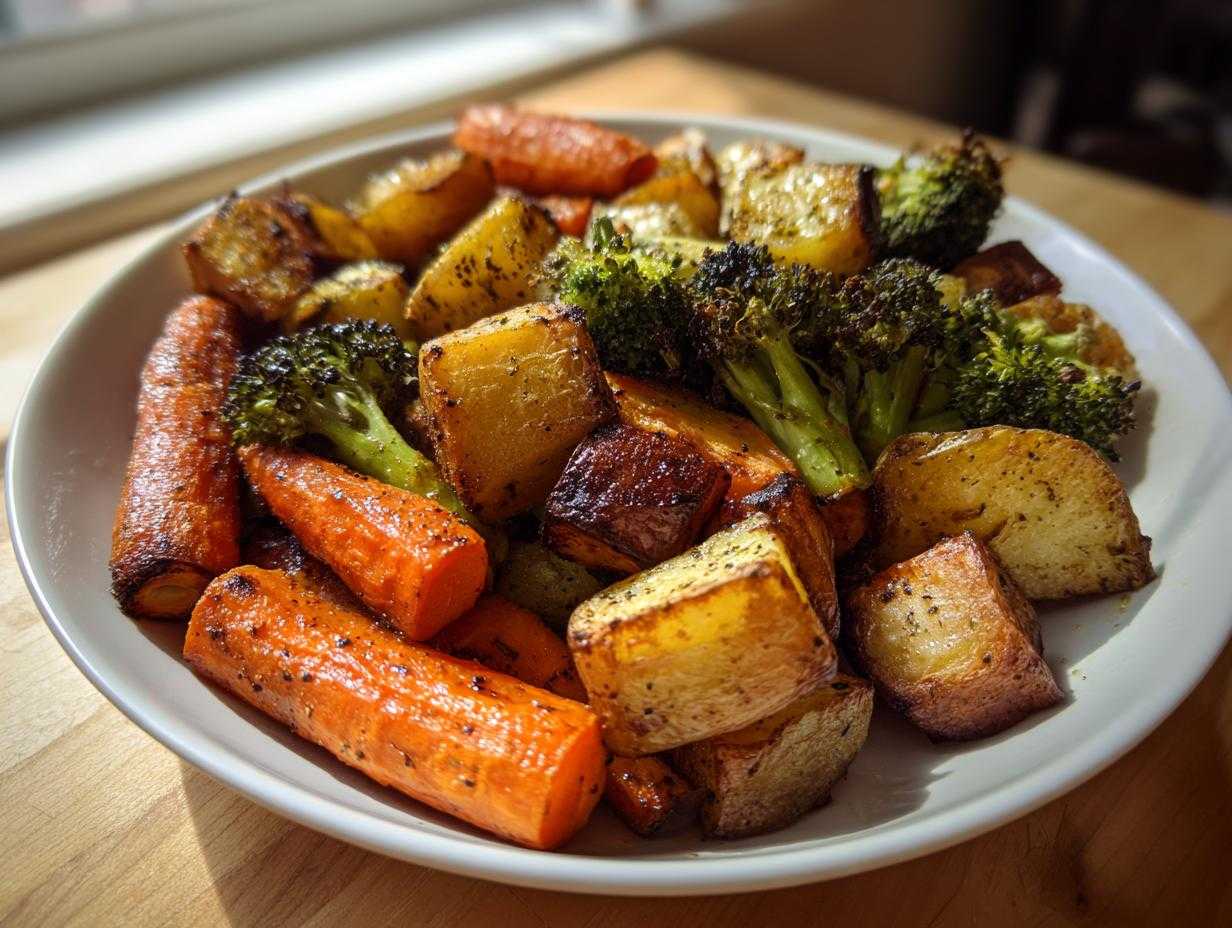
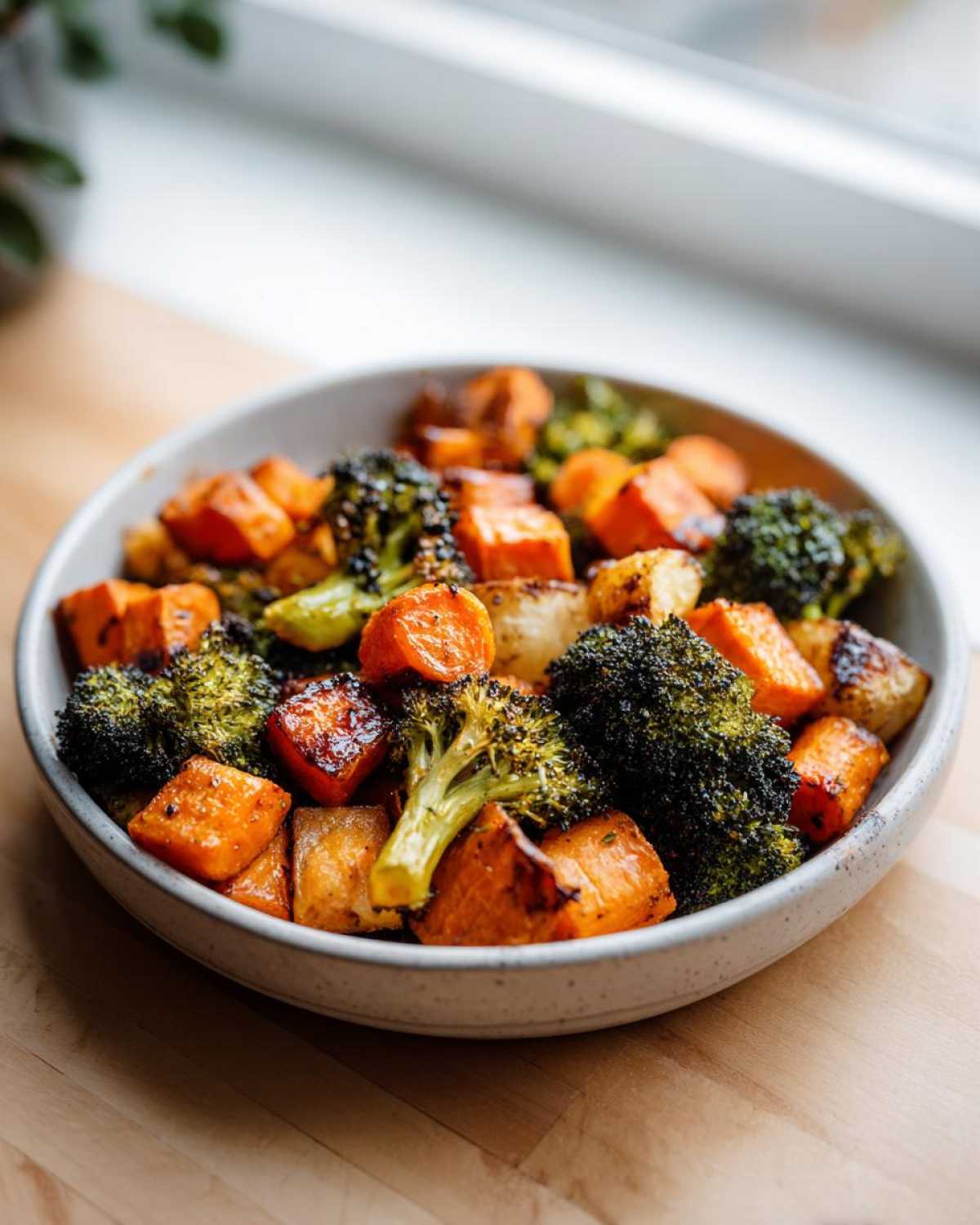
Oh my gosh, if you are anything like I was for the first five years of trying to cook vegetables in the oven, you probably have a drawer full of sad, slightly steamed, apologetic veggies hiding in your fridge. It’s heartbreaking! But I promise you, we are putting an end to sad, soggy sides right now. This isn’t just another recipe; this is the ultimate guide to perfectly roasted vegetables. We are targeting that sweet spot: tender, creamy goodness on the inside with those beautiful, slightly charred, caramelized edges on the outside. Trust me, once you master this technique, you’ll never look back. These aren’t just sides; they’re the star of the show!
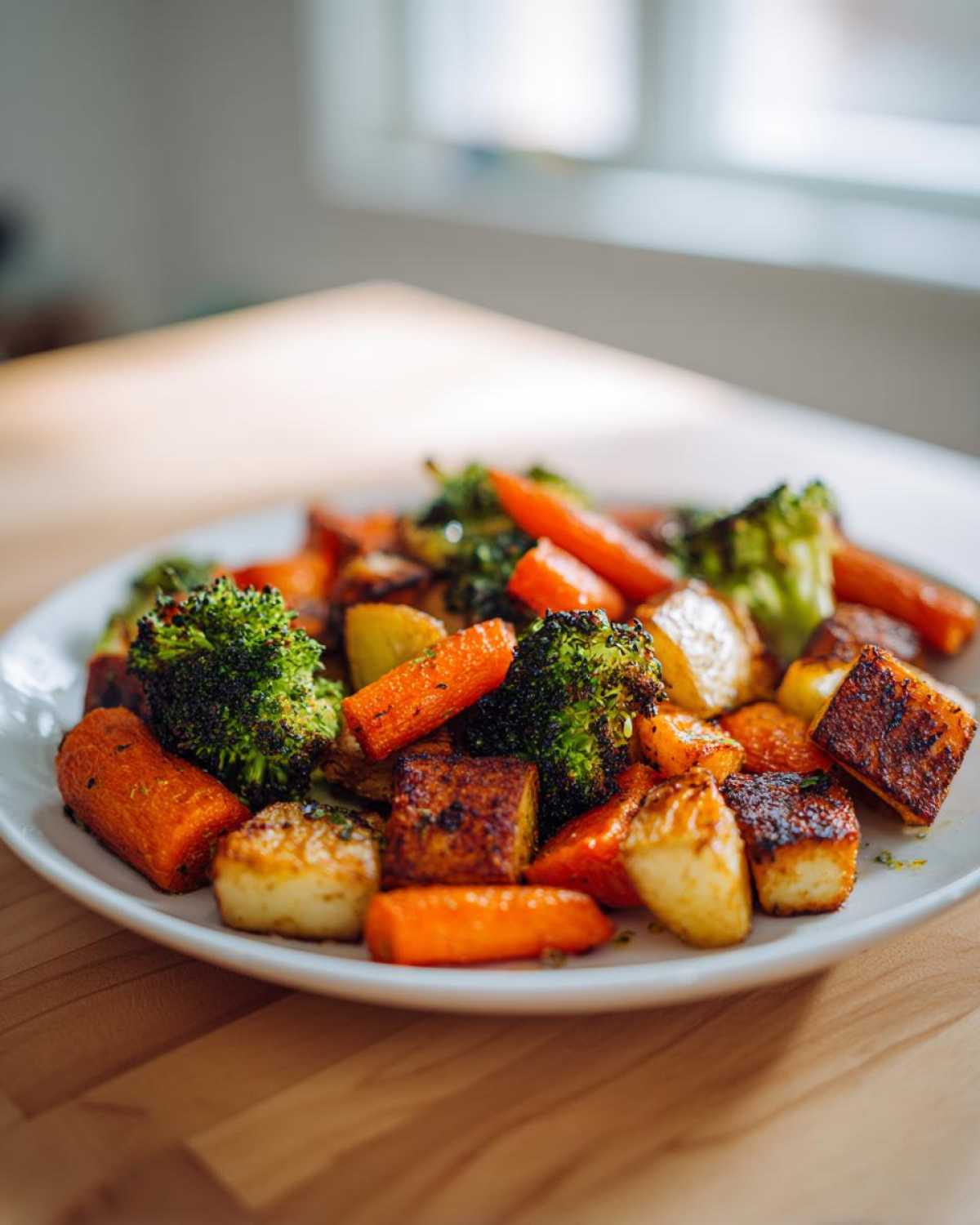
Why This is the Best Roasted Vegetables Guide for Crispy Results
I hear you saying, ‘I followed a recipe, and they were still mushy!’ Believe me, I’ve been there, scraping sad little piles of steamed carrots off a baking sheet. That’s why this best roasted vegetables guide focuses on technique, not just ingredients. The secret to getting those gorgeous brown spots and avoiding no more mushy roasted vegetables is simplicity itself: high heat and keeping things dry. Steam is our enemy, and the oven needs to be scorching hot to vaporize moisture instantly so we can caramelize that natural sugar instead!
Essential Oven Roasting Tips for Vegetables
Listen, these three things are non-negotiable if you want true crispiness. First, crank that oven up to 425°F. Seriously, don’t be timid about the heat! Second, every single piece of produce must be bone dry before it touches the oil. I always use a clean kitchen towel just to pat everything down. Third, give those veggies space! If they are piling up on each other, they are steaming, not roasting. We want a single layer, even if that means dirtying a second baking sheet. It’s worth the extra dishwashing, I promise.
Ingredients for Your Ultimate Roasted Vegetables
Okay, let’s talk about what goes into this fantastic vegetable medley oven roast. You need about two pounds of mixed vegetables. And listen to me carefully: cut everything into uniform, roughly one-inch pieces. Seriously, size consistency is half the battle here! You’ll need three tablespoons of good old olive oil—don’t skimp!
For seasoning, we keep it classic to start: one teaspoon of kosher salt (remember, kosher, not table salt!), half a teaspoon of black pepper, and a teaspoon of garlic powder. I also love tossing in half a teaspoon of dried herbs like thyme. If you want to make my favorite upgrade, the maple dijon roasted vegetables, just have one tablespoon of maple syrup and one teaspoon of Dijon mustard ready!
Ingredient Notes and Substitutions for Roasted Vegetables
Figuring out the best vegetables for roasting is fun, but you need to treat the dense ones kindly. Potatoes, sweet potatoes, and carrots take longer than broccoli or peppers. If you mix them, cut the dense ones smaller! My rule of thumb is to give the root veggies about five minutes longer in the oven alone before adding the softer stuff. Also, if you’re feeling frisky and want to see how that maple works with a different final touch, don’t forget you can check out my sweet glaze recipe for inspiration!
How to Prepare Perfectly Roasted Vegetables: Step-by-Step
Alright, let’s get cooking! This is where the magic truly happens, and it’s much easier than it sounds—it’s mostly about high temperatures and following the order! First things first: if you haven’t already, you need to get that oven screaming hot. We are preheating to 425 degrees Fahrenheit. Don’t mess with 350 degrees; that’s soup weather, not roast weather! Next, grab those beautiful, uniformly cut veggies from the last section. You absolutely must wash them and then use paper towels or a clean tea towel to pat every single piece dry. I can’t stress this enough: excess water equals steam, and steam equals mush. Dryness gets you that glorious roast!
Now, let’s move them into a big bowl. Drizzle liberally with the olive oil and dump all those seasonings we mixed up right on top. Toss, toss, toss until everything has a nice, shiny coat. Once they look perfectly seasoned (and maybe if you’re using the maple, a little sticky!), it’s time for the pan. This is the step that separates the true roasting fanatics from the amateurs! If you decide to go for that sweet and tangy flavor, remember you can check out my sweet glaze recipe for inspiration on mastering other tasty additions!
Achieving Crispy Roasted Vegetables Technique
Grab your biggest rimmed baking sheets—and I mean big! We are spreading these seasoned veggies out into a completely uncrowded, single layer. Think of it like seating guests at a dinner party; everyone needs their own space to breathe! If you try to pile them even slightly, the heat can’t circulate around each piece properly. Instead of getting those high-heat crispy edges, they just sit there stewing in their own moisture. Using two pans is always better than overloading one pan for that true crispy roasted vegetables technique. They need room to roast, not room to steam!
Timing and Stirring for Evenly Roasted Vegetables
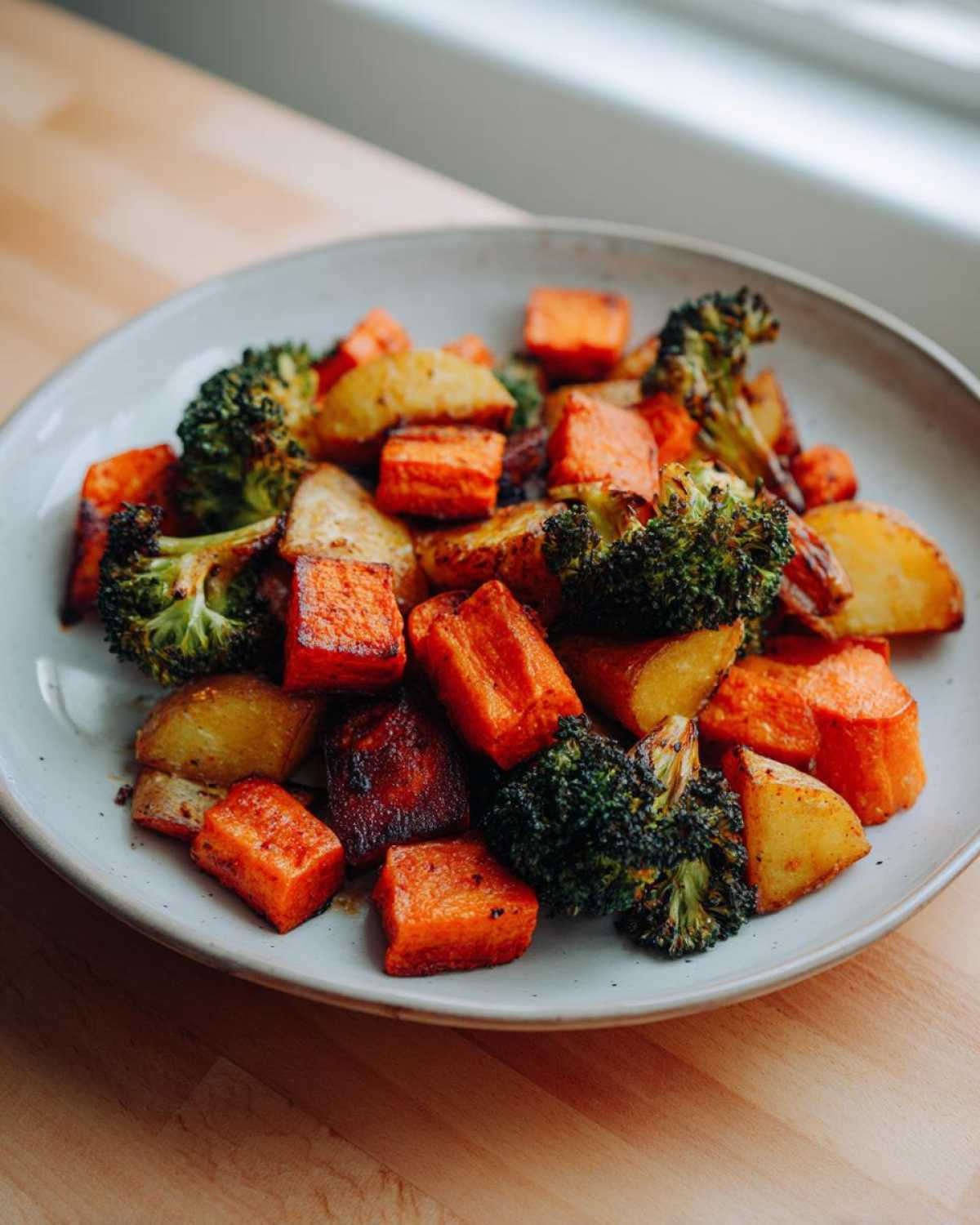
The total time usually falls between 20 and 35 minutes, but remember what I said about dense veggies? If you have a lot of carrots or potatoes, give them a head start of about five minutes *before* adding your broccoli or peppers to the pan. No matter the mix, halfway through that roasting window—maybe around 15 minutes in—pull the pans out and give everything a good flip and stir. This simple move helps them brown evenly all over. This entire process is quick enough that it makes for fantastic weeknight vegetable sides!
Flavor Variations for Your Roasted Vegetables
Now that you’ve mastered the basics for seriously good, non-soggy roasting, let’s talk about making these the most flavorful healthy vegetable side dishes you’ve ever made! The base recipe is great, but that little bit of garlic powder is just the starting line. If you want to jump straight into amazing flavor territory, try swapping out the garlic powder for freshly minced garlic cloves, but add them halfway through roasting so they don’t burn!
For a richer, deeper experience, you absolutely have to try that maple dijon roasted vegetables combo—it gives you that lovely sweet-and-tangy crust that is just addictive. If you are feeling savory, switch up the herbs! A little smoked paprika and cumin turn this into a southwestern medley instantly. And if you happen to have some leftover roasted veggies? They are amazing paired with a tangy dip, like my garlic herb dip!
Serving Suggestions for Flavorful Roasted Vegetable Dinner Ideas
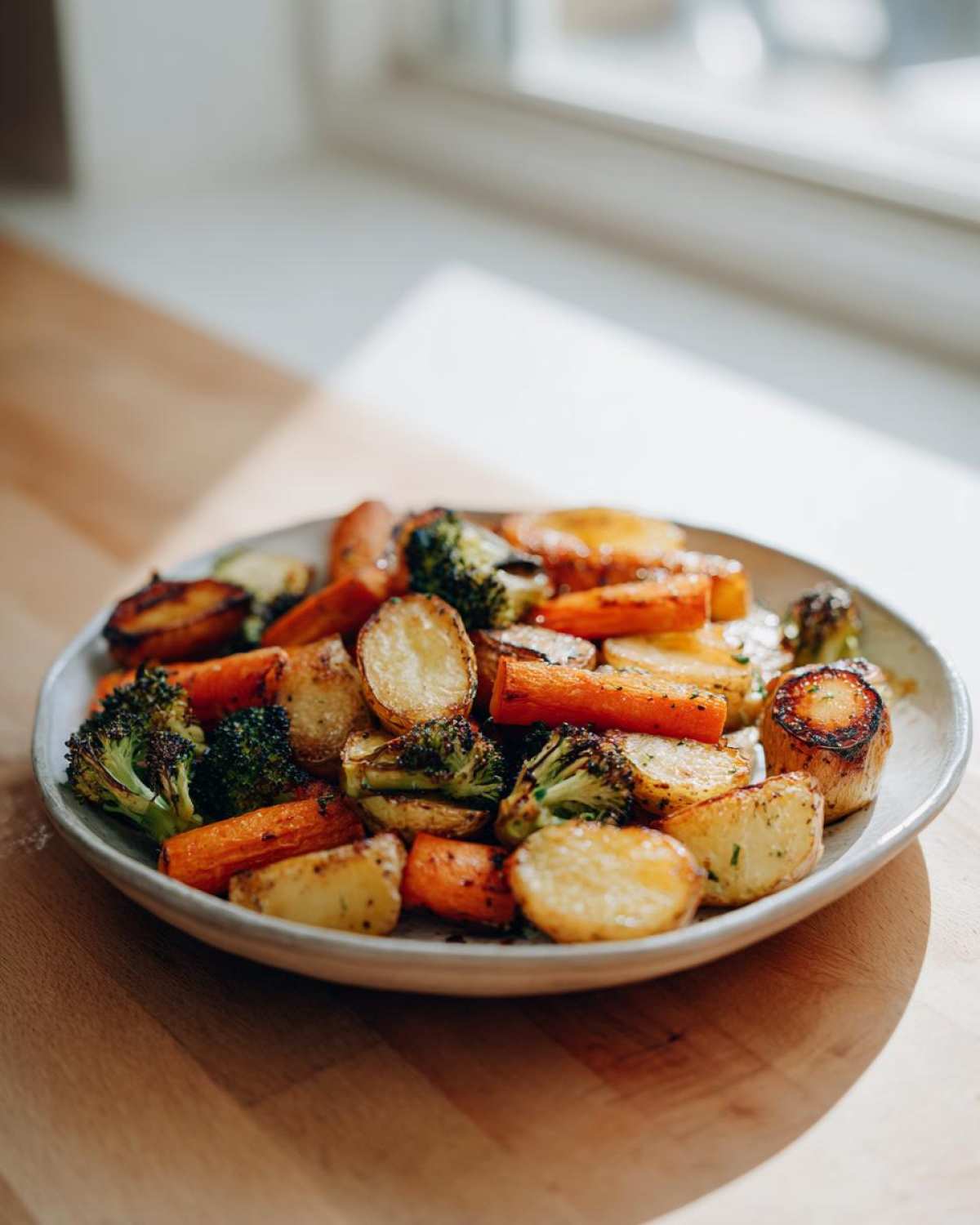
The best part about having a pan of perfectly roasted vegetables ready to go is that they instantly elevate whatever you’re pairing them with. These aren’t just toppings; they are the backbone of fantastic, flavorful roasted vegetable dinner ideas! Try tossing a big scoop onto some fluffy quinoa or brown rice, topping it with maybe some crumbled feta or toasted nuts, and you have a full meal. They are fantastic alongside any grilled protein—I just made the best salmon tacos last week that needed exactly this kind of smoky side dish to balance the spice; you can check that recipe out here if you need main course inspiration!
How to Use Roasted Vegetables in Other Meals
Don’t let those leftovers go to waste! That little bit of smoky char just gets better the next day. You can chop them up and toss them into an omelet the next morning, or slide them into a whole wheat wrap with some hummus for a speedy lunch. If you have a big batch, you can thin them out with a little broth and blend them into the richest, creamiest soup you’ve ever had—seriously, no cream needed! Learning how to use roasted vegetables in different ways is the secret to fast meals all week.
Storage and Reheating Instructions for Roasted Vegetables
So, what happens to all those glorious leftovers? Don’t despair if you have extra, because roasted veggies keep surprisingly well! You want to store them in an airtight container in the fridge. They’ll last about four good days, maybe five if they were extra dry coming out of the oven. But here’s the big secret for reheating: please, please, never use the microwave!
The microwave brings back all that soggy texture we worked so hard to avoid. Instead, spread your vegetables back out on a baking sheet and pop them into an oven or toaster oven set to about 350°F for maybe 5 to 8 minutes. If you have an air fryer, use that! Five minutes in the air fryer brings back a ton of that crispy edge we love so much. Quick and easy!
Frequently Asked Questions About Roasted Vegetables
Whenever I post pictures of these beauties, I always get a flood of great questions about technique and variation. It’s totally normal! People always ask if they can just toss in a bag of frozen veggies to save time. And while you *can*, I strongly advise against it if you are chasing that crispy texture we talked about. Frozen vegetables are pre-waterlogged, so you are guaranteeing steam city! Also, people ask what the absolute best oil is—yes, olive oil is great, but avocado oil has a higher smoke point if you want to push the oven even hotter!
If you’re looking for really flavorful additions, remember that a little bit of smoked paprika completely changes the profile, making them perfect as a base for a heartier vegan roasted vegetables meal. If you need a full vegan main dish concept, check out how I use roasted veggies in my lentil loaf!
Can I use this as a Vegan Roasted Vegetables Recipe?
Absolutely! Our core recipe uses olive oil and herbs, making it completely vegan from the jump. If you want to bulk it up for a full meal, I often add things like chickpeas or chunks of firm tofu right alongside the veggies on the pan to roast them all together. That keeps it 100% plant-based and delicious!
Estimated Nutritional Values for Roasted Vegetables
Now, I always tell folks not to stress too much about counting calories when you’re eating this many healthy veggies, but I know some of you like to keep track! Based on the ingredients we used—the olive oil, the salt, and the vegetables themselves—these estimates are based on about a one-cup serving size. Remember, since we use simple oil and skip sugary glazes in the base recipe, these are generally fantastic, healthy vegetable side dishes!
- Serving Size: 1 cup
- Calories: 150
- Fat: 9g
- Carbohydrates: 15g (with 4g of that being Fiber—hello, digestion!)
- Protein: 3g
These numbers are just a starting point, though! If you toss them with that maple syrup, the sugar and carb counts will jump up a bit. But honestly, for getting this much flavor and nutrition on your plate, I think these numbers are pretty darn good for a simple oven roasted side!
Share Your Perfect Roasted Vegetables Creations
Part of the fun of sharing these recipes is seeing how you all put your own spin on things! I’ve shared my secrets for getting those amazing crispy edges, but maybe you’ve discovered an amazing seasoning blend that beats my basic herbs. I want to hear about it!
Did you try topping yours with smoked paprika for a fiery kick? Or maybe you roasted some fennel for the first time? Please tell me! Leave a comment below and let me know how your roasted vegetables turned out. If you post them online, tag me so I can see those gorgeous, non-soggy masterpieces!
Honestly, seeing your success stories—knowing that I helped get another family away from boring steamed broccoli and excited about easy roasted vegetables recipe—that’s what keeps me buzzing in the kitchen. Don’t be shy; jump in and let’s talk veg!
PrintThe Ultimate Guide to Perfectly Roasted Vegetables
Learn the simple technique for roasting vegetables to achieve tender insides and crispy, caramelized edges every time. This guide covers ideal temperature, timing, and seasoning for a versatile side dish.
- Prep Time: 15 min
- Cook Time: 30 min
- Total Time: 45 min
- Yield: 4 servings
- Category: Side Dish
- Method: Oven Roasting
- Cuisine: General
- Diet: Vegan
Ingredients
- 2 lbs mixed vegetables (e.g., broccoli, carrots, potatoes, bell peppers), cut into uniform 1-inch pieces
- 3 tablespoons olive oil
- 1 teaspoon kosher salt
- 1/2 teaspoon black pepper
- 1 teaspoon garlic powder
- 1/2 teaspoon dried herbs (e.g., thyme or oregano)
Instructions
- Preheat your oven to 425 degrees Fahrenheit (220 degrees Celsius). High heat is key for crisping.
- Wash and thoroughly dry all your cut vegetables. Excess moisture causes steaming, not roasting.
- Place the dried vegetables in a large bowl. Drizzle with olive oil.
- Sprinkle the salt, pepper, garlic powder, and dried herbs over the vegetables. Toss everything together until the vegetables are evenly coated.
- Spread the coated vegetables in a single layer on one or two large, rimmed baking sheets. Do not overcrowd the pan; crowding leads to steaming. Use two sheets if necessary.
- Roast for 20 to 35 minutes, depending on the density of the vegetables. Stir them halfway through the cooking time.
- The vegetables are done when they are fork-tender and have browned, caramelized edges.
- Remove from the oven and serve immediately as a side dish or add to a main meal.
Notes
- For extra flavor, toss with 1 tablespoon of maple syrup and 1 teaspoon of Dijon mustard before roasting for a Maple Dijon profile.
- Root vegetables like potatoes and carrots require longer cooking times than softer vegetables like zucchini or bell peppers. Cut denser vegetables smaller for even cooking.
- If you want crispy edges, avoid covering the baking sheet with foil.
Nutrition
- Serving Size: 1 cup
- Calories: 150
- Sugar: 5
- Sodium: 350
- Fat: 9
- Saturated Fat: 1
- Unsaturated Fat: 8
- Trans Fat: 0
- Carbohydrates: 15
- Fiber: 4
- Protein: 3
- Cholesterol: 0


Comments are closed.