

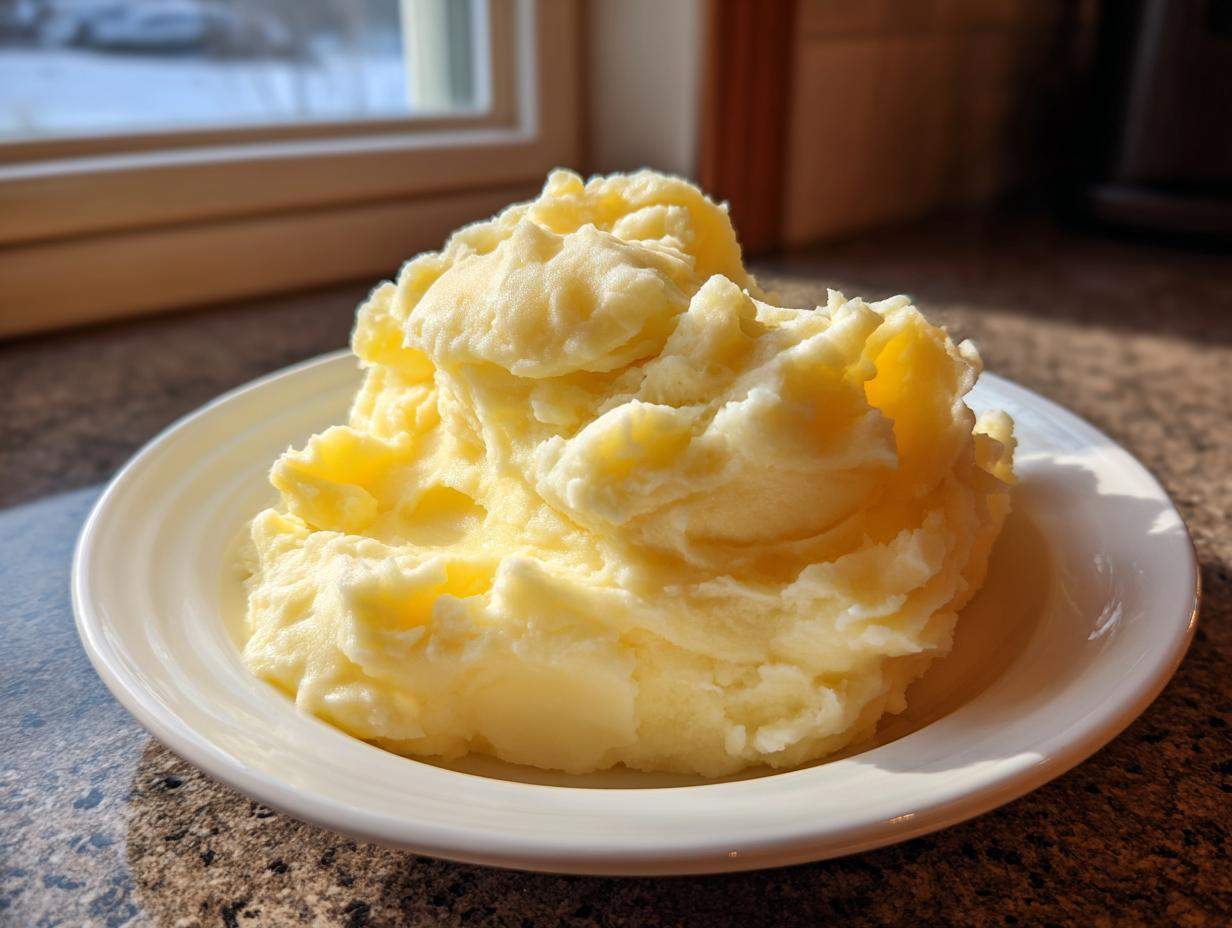
Oh my gosh, there is nothing in the world that says home and happy like a giant bowl of buttery, steaming mashed potatoes, right? Seriously, those fluffy mounds are my ultimate comfort food! For years, though, I struggled. One batch was watery, the next was gluey, and I wasted so many precious potatoes trying to get it right. But trust me when I say that after heaps of trial and error, I finally perfected this technique for truly superior mashed potatoes that come out creamy and cloud-like every single time. Forget those sad, lumpy heaps; we are making the best homemade mashed potatoes possible!
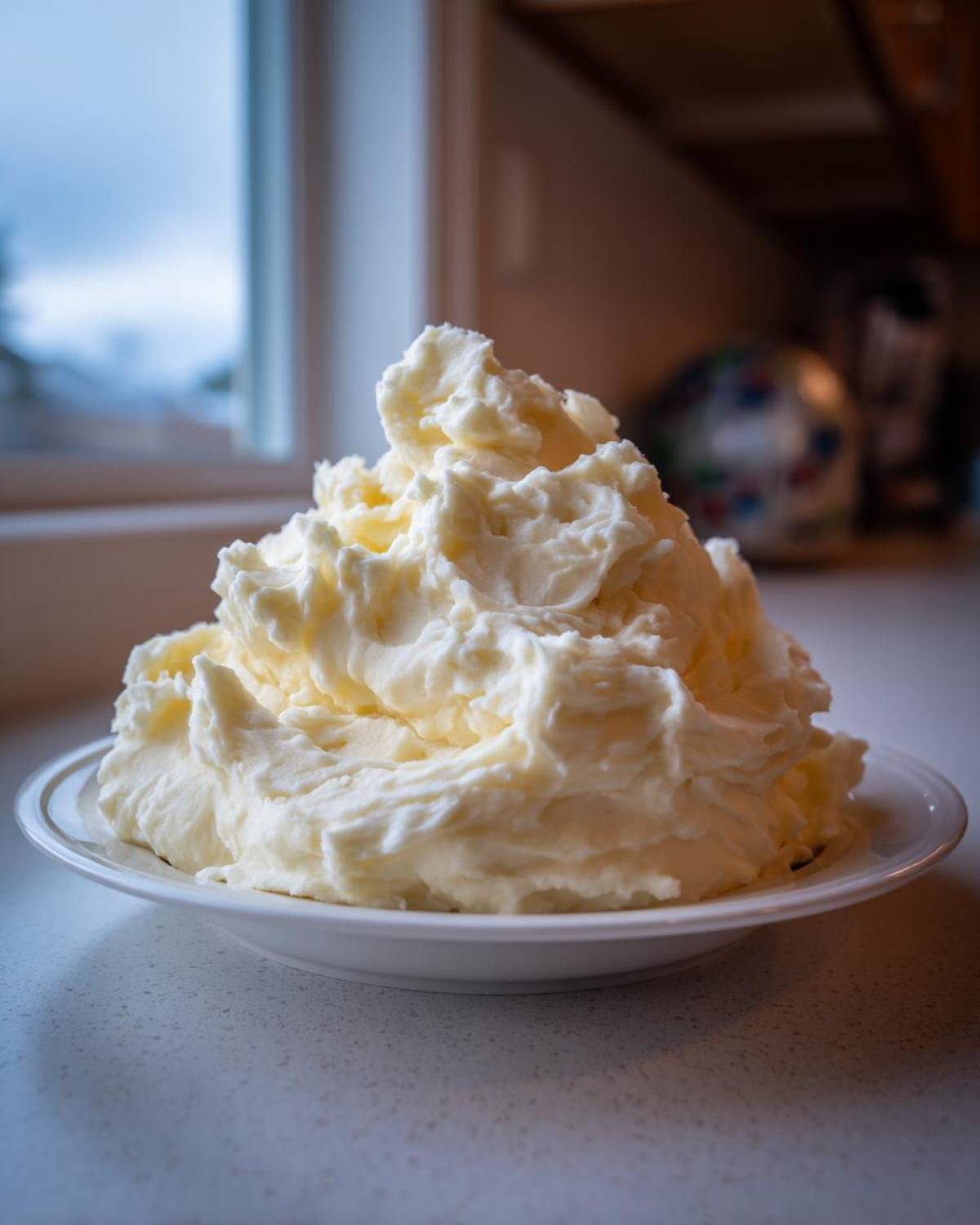
Why This is The Best Creamy, Fluffy Mashed Potatoes Recipe
Listen, the difference between okay mashed potatoes and truly unforgettable ones comes down to a few specific little secrets in technique and ingredients. We aren’t just boiling and smashing here! This method guarantees that deeply satisfying result you’re looking for.
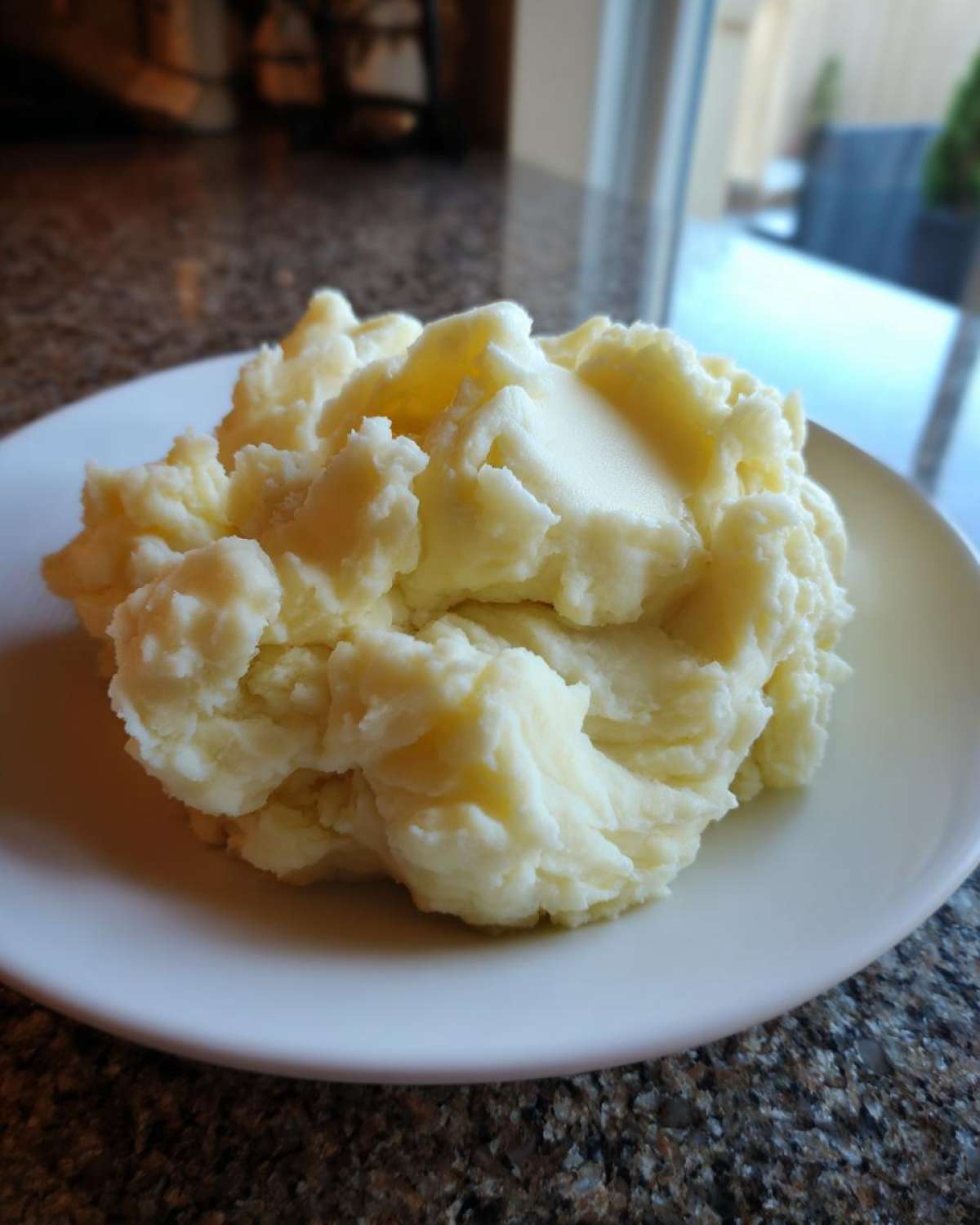
- That dreamy texture? It’s super creamy but still wonderfully light and fluffy.
- The flavor payoff is intense—this is truly a buttery potato side dish that tastes rich without being heavy.
- We focus on preventing weepiness by drying the potatoes before adding dairy; this is huge!
Getting the base right sets you up for success, and that starts at the grocery store aisle.
Choosing the Right Potato for Perfect Mashed Potatoes
You absolutely have to pick the right spud, or the rest of your efforts won’t matter much. For max fluffiness, I really lean into Russets because they have a ton of starch that breaks apart beautifully. If you prefer something naturally richer and creamier right out of the gate, go for Yukon Golds. My recipe works fantastically with Yukon Gold Mashed Potatoes, but if you want that towering, cloud-like profile, stick to a good starchy Russet Potato Recipe. It makes a real difference!
Essential Ingredients for Creamy Mashed Potatoes
This recipe is pretty straightforward, which is why it’s an amazing easy mashed potatoes recipe for any night of the week. But even simple recipes need quality ingredients, and you need to treat your dairy with respect! We are using a full 8 tablespoons of good quality butter here—don’t skimp, it makes your potatoes taste incredible. The real magic, though, comes from heating the milk and butter together before they ever meet the potatoes. Trust me, cold ingredients are the enemy of perfectly light potatoes!
Ingredient Notes and Substitutions for Homemade Mashed Potatoes
For the base, plan on using about 3 lbs of potatoes, and make sure you peel and quarter them evenly before they go into the pot. That butter needs to be unsalted, always, and cut into small pieces so it melts fast when we warm it up. If you want them to be incredibly rich and smooth—like, unbelievably so—throw in a quarter cup of sour cream at the very end. I only skip that when I’m counting calories, which is rare!
How to Make Mashed Potatoes: Step-by-Step Instructions
Let’s get cooking! Making perfect mashed potatoes is really just about respecting the starch. We start by getting the potatoes into cold, salted water and bringing that up to a proper boil. You want them fork-tender, which usually takes about 15 to 20 minutes once they’re simmering steadily. Don’t forget to season that water well—it’s the only chance we have to season the inside of the potato! If you love extra flavor boosters, you should check out my garlic herb variation later!
Once they are soft, we drain them completely. Now, don’t jump straight to the butter! We have a crucial quick step coming up to ensure these are light and fluffy and not sad and watery. Then, we warm up everything dairy-related, and finally, we mix it all together gently off the heat.
The Crucial Potato Drying Technique for Fluffy Mashed Potatoes
Drain those spuds into a colander, but wait five minutes before doing anything else. Steam trapped inside makes for watery final results! Then, return the drained potatoes to that empty, warm pot, set it on the lowest heat for just sixty seconds, and gently shake them around. This little trick dries the surface starch so it can better absorb the butter and milk later. Seriously, this step is non-negotiable for fluffy mashed potatoes!
Warming the Dairy for Smooth Mashed Potatoes
While the potatoes are drying out, get a small saucepan and melt your butter into the milk. You want this mixture warm—think hot bath temperature, not boiling lava. If you dump cold milk into hot potatoes, the starch gets shocked, contracts instantly, and turns gummy. We are aiming for smooth indulgence, not glue! Warming it keeps that starch relaxed and ready to absorb all that lovely fat.
Tips for Achieving Perfect Mashed Potatoes Texture
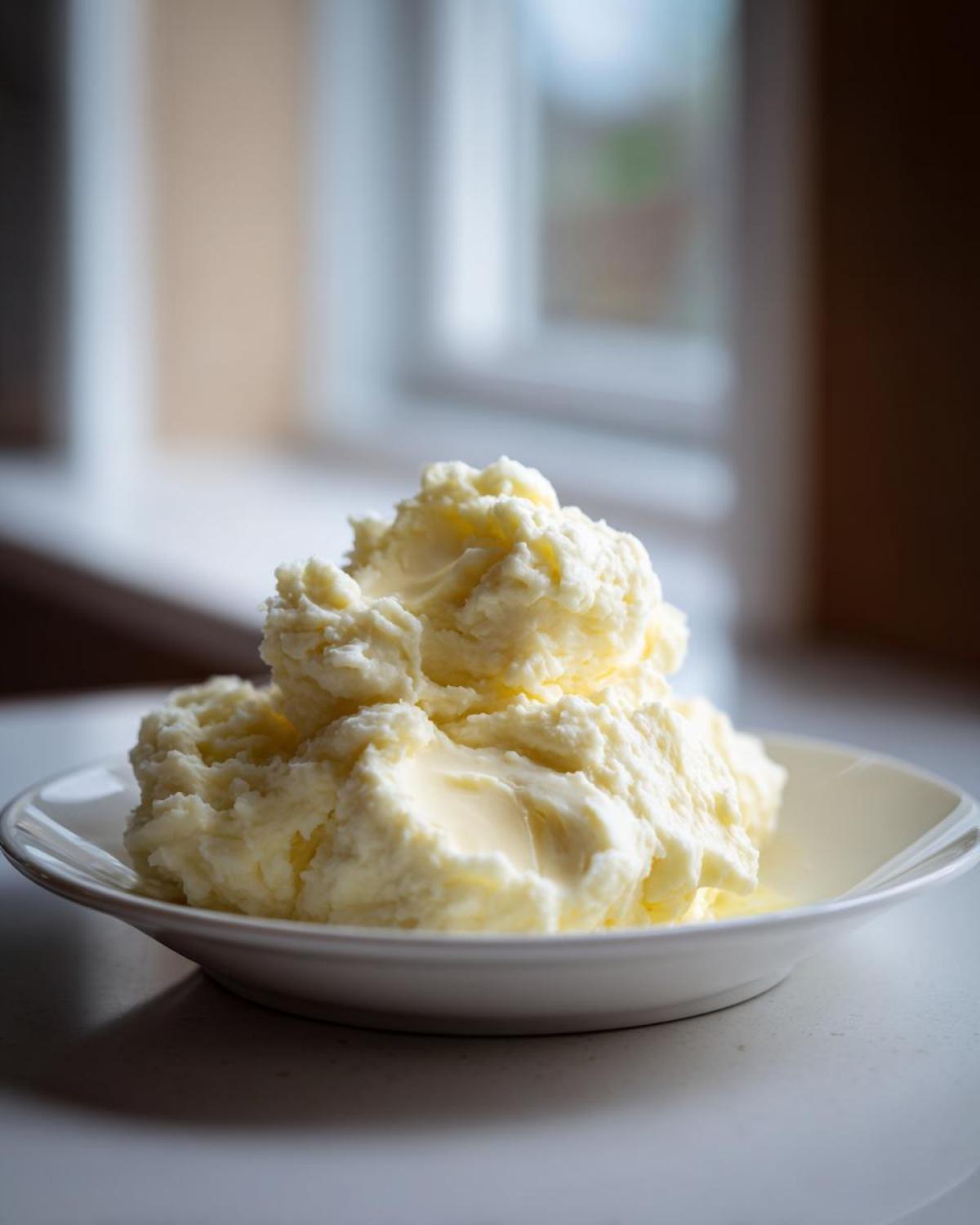
Okay, you’ve dried your potatoes, you’ve warmed your dairy—now comes the part where most people accidentally ruin their perfect setup! We have to be gentle right here. If you want that incredible melt-in-your-mouth texture, you cannot treat these like concrete. Overworking the starch is a fate worse than having slightly lumpy potatoes, trust me. We are aiming for light and airy, or at least wonderfully rich and buttery, not a cement mortar!
I’m giving you permission right now to ditch the electric mixer if you are using Russets, unless you really love that super dense, almost puréed texture. Electric beaters whip too much air in too fast and break down those starch molecules too aggressively.
Mashing vs. Whipping: Controlling the Creamy Mashed Potatoes Outcome
For the gold standard in texture—which guarantees you get truly smooth mashed potatoes—I highly recommend using a potato ricer. It presses the potato through tiny holes, giving you the fluffiest result without overworking anything. If you don’t have one, just use a sturdy hand masher and work quickly and gently. Stop mixing the second the last streak of fat or milk disappears. Seriously, put the tool down! That last little fold should be done by hand so you control how creamy they get.
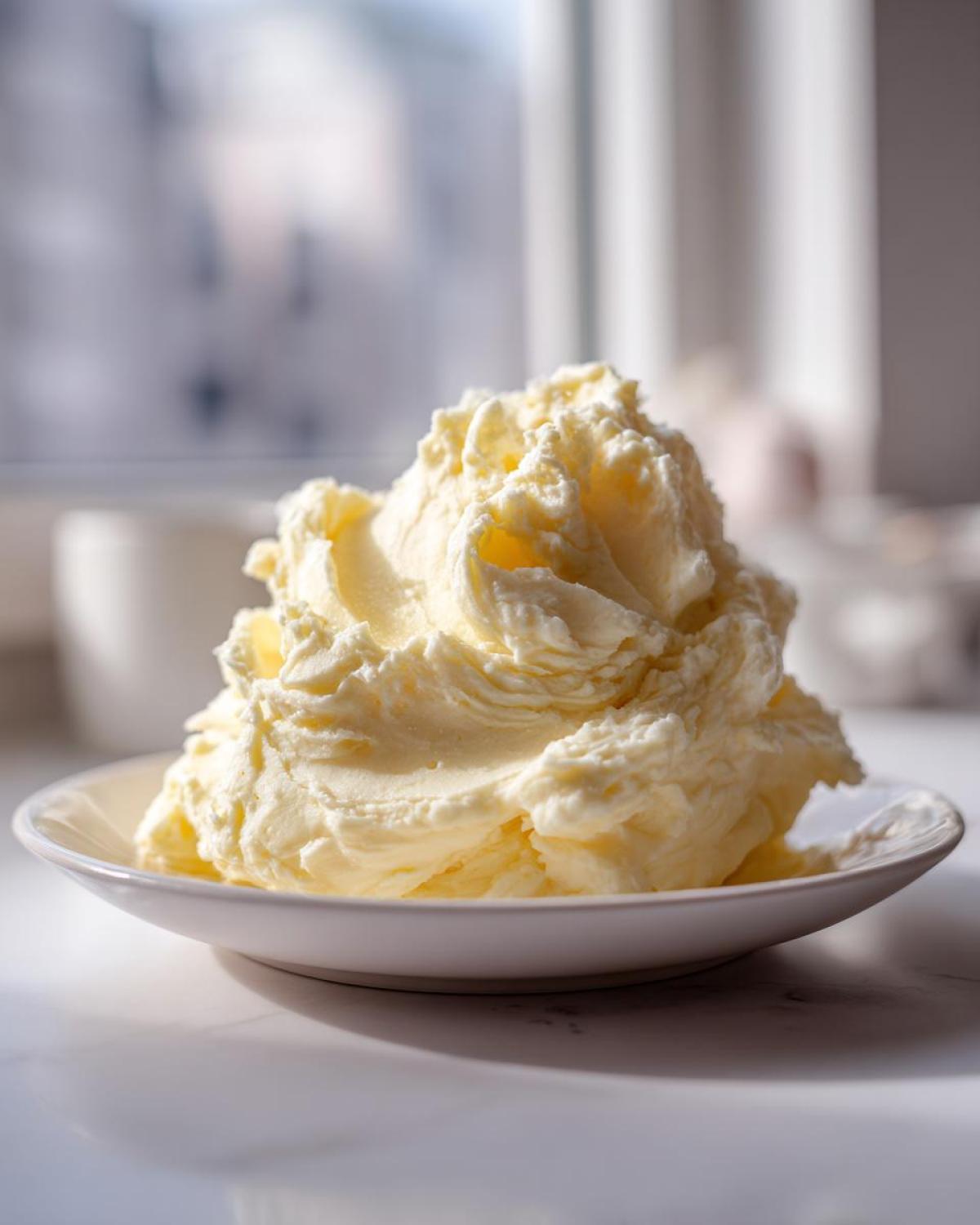
Serving Suggestions for Your Buttery Potato Side Dish
These buttery potato side dish mounds are so versatile, they deserve a place at every table! For a fun, easy weeknight meal, I always serve them alongside a perfectly cooked roast chicken. The potatoes soak up all those amazing pan juices—it’s pure heaven. But of course, these are essential for the big holidays, too! They look fantastic next to a prime rib or a beautiful holiday ham.
If we’re having steak night, I pair them with my chimichurri steak. The sharp pepper sauce just cuts through the richness of the potatoes perfectly. Really, the only meal these mashed potatoes aren’t good with is breakfast, and even then, they make phenomenal hash browns the next day!
Storage and Reheating Instructions for Leftover Mashed Potatoes
Don’t let any of these beauties go to waste! Leftover mashed potatoes are actually pretty fantastic the next day, provided you store them correctly. You can keep them in an airtight container in the ‘fridge for about three to four days—any longer and you risk texture getting weird. When you reheat them, you have to remember those starches have absorbed all the liquid, so they’ll be thick!
The absolute best way to bring them back to life is on the stovetop. Use a heavy-bottomed pot over low heat. You MUST stir in a splash of hot milk or cream and maybe another knob of butter while stirring gently. This reintroduces the moisture and gets them nice and creamy again quickly. Microwaving works in a pinch, but you’ll need to stir every 30 seconds!
Frequently Asked Questions About Mashed Potatoes
I get so many questions about tweaking this recipe, which is great! It shows you’re passionate about getting them perfect. Here are the things I hear most often when people are trying to master their classic potato recipe.
Can I use heavy cream instead of milk in my mashed potatoes?
Oh yes, you absolutely can! If you swap in heavy cream for the whole milk, you are going for pure decadence. It will make the final result unbelievably rich and heavy, though. If you want that light, airy feel we’ve been talking about, stick to whole milk or even 2%. But if you want an absurdly rich coating for your steak, heavy cream is your friend!
What is the secret to truly Creamy Mashed Potatoes?
If I had to boil it down to just two things—the absolute foundations for rich, creamy mashed potatoes—it would be this: First, you must dry your potatoes completely after draining them; get rid of that surface steam! And second, you have to make sure your butter and milk are warm before you incorporate them. That combination stops sliminess and ensures beautiful absorption.
How do I prevent my Homemade Mashed Potatoes from becoming gluey?
Gluey mashed potatoes? The horror! That happens when you overwork the starch after you’ve added liquid or fat. If you use a stand mixer, you’re likely going to break those starch cells too much. Do not, under any circumstances, try to make these in a food processor—I beg you, please don’t! Stick to gentle hand mashing or ricing, and stop stirring the second everything looks combined.
If you’re ready to try a lighter side dish that skips the starch entirely, check out my cauliflower mash recipe!
Nutritional Snapshot of Classic Mashed Potatoes
Everyone wants to load up on these, but knowing what’s in them helps! Here is a quick look at the estimated nutrition facts based on this classic potato recipe. Keep in mind that if you load up heavy on extra butter or sour cream, those numbers will jump!
- Serving Size: 1 cup
- Calories: 250
- Fat: 14g (9g Saturated Fat)
- Carbohydrates: 30g
- Protein: 5g
This estimate is for a standard serving size without any extra toppings. These values can change based on the exact amount of butter or milk you used, so treat this as a helpful guide!
Share Your Perfect Mashed Potatoes Results
I truly hope this recipe has changed the way you look at your side dishes forever! Seriously, I want to see the results of your beautiful homemade mashed potatoes! Once these come out of your kitchen, please come back here and give this recipe a rating—five stars if you think they’re the best you’ve ever made, which I fully expect!
And don’t be shy about sharing your successes or any fun little tweaks you made. Did you throw in some crispy onion topping? Did you get that perfect, velvety smooth texture? Drop a comment below so we can all learn from each other. Happy mashing, friends!
PrintThe Best Creamy, Fluffy Mashed Potatoes
Follow these simple steps to make classic, buttery mashed potatoes with a perfectly creamy and fluffy texture.
- Prep Time: 15 min
- Cook Time: 20 min
- Total Time: 35 min
- Yield: 6 servings
- Category: Side Dish
- Method: Boiling and Mashing
- Cuisine: American
- Diet: Vegetarian
Ingredients
- 3 lbs Russet or Yukon Gold potatoes, peeled and quartered
- 1 cup whole milk
- 8 tablespoons unsalted butter, cut into pieces
- 1 teaspoon salt, plus more for boiling water
- 1/2 teaspoon black pepper
- 1/4 cup sour cream (optional, for extra creaminess)
Instructions
- Place the peeled and quartered potatoes in a large pot. Cover them with cold water by about one inch. Add 1 tablespoon of salt to the water.
- Bring the water to a boil over high heat. Reduce heat to maintain a steady simmer and cook until the potatoes are fork-tender, about 15 to 20 minutes.
- Drain the potatoes completely in a colander. Let them sit for 5 minutes to allow excess steam to evaporate. This step helps prevent watery potatoes.
- Return the drained potatoes to the empty, warm pot. Place the pot over very low heat for 1 minute, shaking gently to dry them further.
- While the potatoes dry, heat the milk and butter together in a small saucepan until the butter is melted and the mixture is warm, but not boiling.
- Remove the pot from the heat. Mash the potatoes using a potato masher or a ricer until mostly smooth. Do not overmix if using a mixer.
- Gradually add the warm milk and butter mixture to the potatoes, mixing gently until you reach your desired consistency.
- Stir in the salt, pepper, and sour cream, if using. Taste and adjust seasoning as needed. Serve immediately.
Notes
- Use starchy potatoes like Russets for fluffier results, or Yukon Golds for a naturally buttery, creamy texture.
- Warming the milk and butter prevents the potatoes from cooling down too quickly during mixing.
- For the smoothest texture, use a potato ricer instead of a masher.
Nutrition
- Serving Size: 1 cup
- Calories: 250
- Sugar: 3
- Sodium: 350
- Fat: 14
- Saturated Fat: 9
- Unsaturated Fat: 5
- Trans Fat: 0
- Carbohydrates: 30
- Fiber: 3
- Protein: 5
- Cholesterol: 35



Comments are closed.